

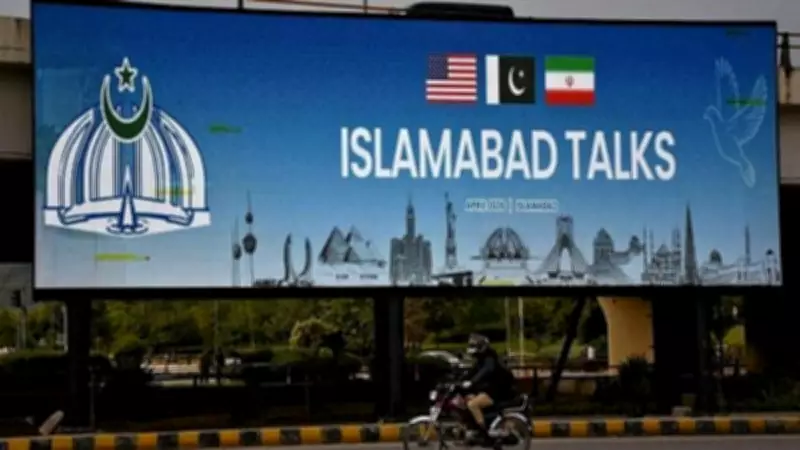
Iran Rejects Second Round of Peace Talks Amid Rising Tensions
Iran has officially declined to participate in a proposed second round of peace negotiations with the United States, citing what it describes as "unreasonable and unrealistic demands" from Washington. This decision comes as tensions between the two nations escalate following recent military incidents in the strategically vital Strait of Hormuz.
Accusations of Ceasefire Violations
In a strongly worded statement, Iranian officials have accused the United States of violating the existing ceasefire agreement. The allegations center on two key actions by US forces: the blockade of Iranian ports in the Strait of Hormuz and the recent attack and seizure of an Iranian vessel that was attempting to evade this blockade. These events have significantly heightened diplomatic and military friction, casting doubt on the prospects for future dialogue.
Strategic Implications of the Strait of Hormuz
The Strait of Hormuz, a critical maritime chokepoint for global oil shipments, has once again become a flashpoint in US-Iran relations. The US blockade of Iranian ports in this region is viewed by Tehran as a provocative act that undermines regional stability. The subsequent seizure of the Iranian vessel, which was reportedly trying to navigate around the blockade, has further inflamed the situation, leading to renewed concerns about potential conflict escalation.

Background and Context
This development follows earlier peace talks that had aimed to de-escalate longstanding tensions between Iran and the United States. However, the recent military actions by the US have been condemned by Iran as blatant breaches of the ceasefire, prompting their withdrawal from further negotiations. The Iranian government asserts that such actions demonstrate a lack of commitment to peaceful resolution from the American side.
International Reactions and Future Outlook
The rejection of peace talks by Iran is likely to draw international attention, particularly from other Middle Eastern nations and global powers invested in regional security. With both sides entrenched in their positions, the path forward appears uncertain. Analysts warn that without a de-escalation of military activities and a return to diplomatic engagement, the risk of broader conflict in the region could increase.
As of April 20, 2026, the situation remains fluid, with no immediate plans for resuming talks. The international community is closely monitoring developments, hoping for a peaceful resolution to prevent further destabilization in the Middle East.






