Iran Rejects Ceasefire Proposal, Demands Permanent End To War As High-Stakes Talks With U.S. Intensify
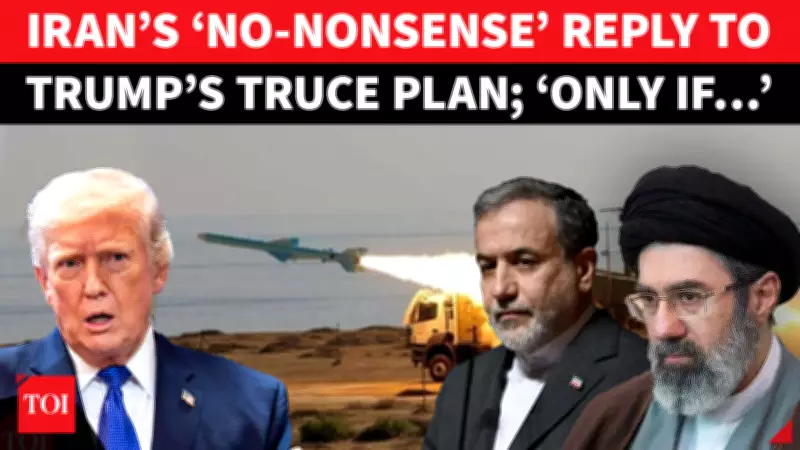
A significant diplomatic standoff is escalating dramatically as Iran has firmly rejected a ceasefire proposal backed by the United States. Instead, Tehran is demanding a permanent and conclusive end to the ongoing war, according to reports from the Iranian state news agency IRNA.
Iran's 10-Point Framework For Peace
Iran has communicated a comprehensive 10-point framework for resolving the conflict, which was transmitted through diplomatic channels via Pakistan. This detailed proposal outlines several critical demands, including:
- An immediate and permanent cessation of all regional conflicts and hostilities
- The complete lifting of international sanctions imposed on Iran
- Substantial reconstruction efforts for war-damaged areas
- Guaranteed secure passage for vessels through the strategically vital Strait of Hormuz
Iranian officials have emphasized that temporary pauses and short-term ceasefires have consistently failed to produce lasting peace in the past. This historical perspective informs their current insistence on a permanent resolution rather than another temporary arrangement.

Tehran Signals Readiness For Prolonged Confrontation
A senior Iranian army spokesperson issued a stark warning, stating that military operations will continue for as long as necessary to achieve Iran's strategic objectives. This declaration signals Tehran's preparedness for an extended confrontation if their demands for a permanent war end are not met.
The spokesperson's statement underscores Iran's determination to avoid what they perceive as the failures of previous temporary solutions, which they claim have only prolonged suffering without addressing root causes.
Widening Diplomatic Gap Raises Escalation Fears
With both Washington and Tehran maintaining firm positions in the negotiations, the diplomatic gap between the two nations appears to be widening significantly. This hardening of stances has raised serious concerns among international observers about the potential for deeper military escalation and a prolonged regional conflict.
The current diplomatic impasse represents one of the most challenging moments in recent U.S.-Iran relations, with both sides demonstrating limited flexibility in their negotiating positions. The rejection of the ceasefire proposal marks a critical juncture that could determine whether the conflict de-escalates or intensifies further.
Regional Stability Hangs In The Balance
The Strait of Hormuz, mentioned specifically in Iran's demands, remains a flashpoint of global significance. This narrow waterway through which approximately one-fifth of the world's oil passes represents both an economic lifeline and a potential military choke point.
Iran's inclusion of secure Hormuz passage in their demands highlights how regional stability and global energy security are intertwined with the outcome of these negotiations. The international community watches anxiously as these high-stakes talks continue, aware that failure could have far-reaching consequences beyond the immediate conflict zone.