

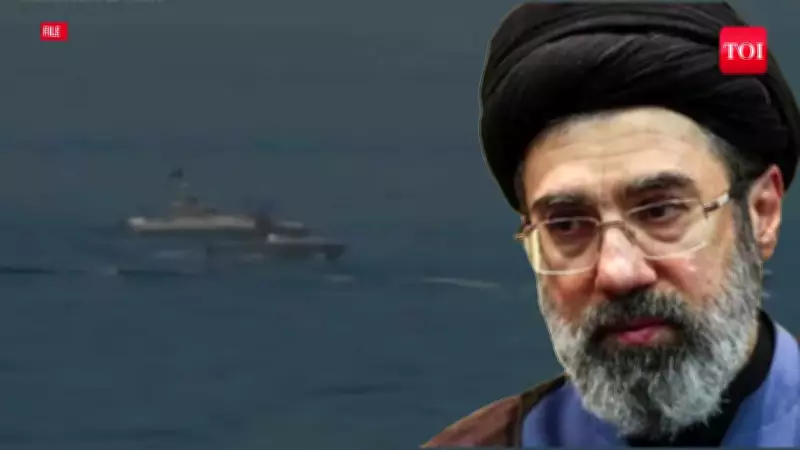
Iran Takes Firm Stance Against US Pressure in Hormuz Standoff
Iran has issued a resolute warning against United States pressure, firmly refusing to reopen the strategically vital Strait of Hormuz as geopolitical tensions continue to intensify. The defiant stance was articulated by Speaker of the Iranian Parliament, Mohammad Baqer Qalibaf, who asserted that American bullying tactics have ultimately failed to coerce Tehran into submission.
Accusations of Ceasefire Violations and Aggression
In a strongly worded statement, Qalibaf accused Washington of systematically violating the terms of a previously established ceasefire through the implementation of naval blockades and ongoing regional aggression. Despite a temporary truce that had been in place, the United States persists in demanding significant concessions from Iran while simultaneously maintaining stringent economic pressure, creating an atmosphere of distrust and hostility.
Collapse of Diplomatic Talks and Refusal to Negotiate
The diplomatic impasse reached a critical point when talks held in Islamabad completely collapsed, with Iran showing no willingness to commit to further negotiations under the current circumstances. Tehran has made it unequivocally clear that it will not yield to what it perceives as coercive tactics and external pressure, setting the stage for a prolonged and potentially dangerous geopolitical standoff.

Global Implications for Oil Supply and Regional Stability
This escalating confrontation carries profound implications for global energy markets and regional stability. The Strait of Hormuz serves as a crucial maritime chokepoint through which approximately one-fifth of the world's oil supply transits. Any prolonged closure or significant disruption could trigger a major international oil crisis, affecting economies worldwide and exacerbating existing global tensions.
The current standoff represents a significant test of wills between Iran and the United States, with both sides appearing entrenched in their positions. As the situation continues to develop, the international community watches with growing concern about potential escalation and its far-reaching consequences for Middle Eastern stability and global energy security.






