Iran Issues Stark Warning on Regional Conflict and Strategic Waterway
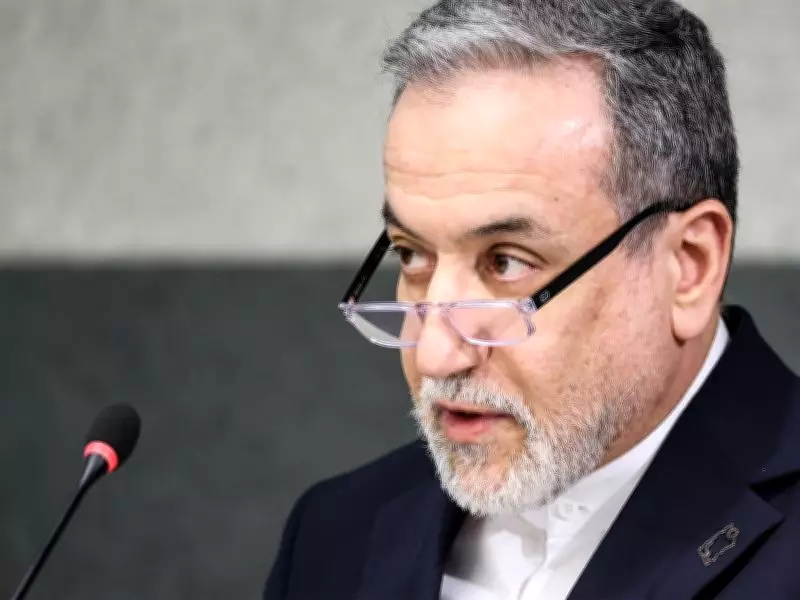
In a bold declaration from Tehran, Iranian Foreign Minister Abbas Araghchi asserted on Monday that the ongoing war in the Middle East must conclude in a manner that permanently deters any future attacks on Iran. Araghchi emphasized Iran's unwavering commitment to self-defense, stating that the nation is prepared to extend the conflict to any location necessary.
Defiant Stance on National Security
Araghchi declared, "This war must end in a way that our enemies will never think to attack us again. I believe they have learned a lesson by now and have understood what kind of nation they are facing. We will not hesitate to defend ourselves and are ready to continue the war wherever it is and take it to wherever it will go." This statement underscores Iran's resolve amid escalating geopolitical tensions in West Asia, where hostilities with Israel have raised global concerns about a broader regional escalation.
Clarifications on Strait of Hormuz and Nuclear Program
Simultaneously, Iranian Foreign Ministry Spokesman Esmaeil Baghaei addressed key issues via the Tasnim News Agency. He clarified that the Strait of Hormuz, a critical maritime chokepoint, is not closed. However, Baghaei warned that passage through the strait would occur under special conditions due to what he described as insecurity created by Israel and the United States in the region.

Baghaei elaborated, "We had given the necessary warnings to the countries in the region months ago. Having 60 percent uranium does not mean having an atomic bomb. The claim that Iranian drones might reach the western coasts of America could be a prelude to false-flag operations. The Strait of Hormuz has not been closed." He further stated that Iran's armed forces control the passage, ensuring no country can use it to launch attacks on Iran.
Historical Context and Regional Dynamics
Baghaei highlighted Iran's historical role as the guardian of safe passage through the strait, but blamed the US and Israel for the current volatile conditions. He affirmed Iran's right as a coastal nation to take necessary measures in the Strait of Hormuz to ensure national security and prevent aggressors from misusing the waterway.
This development occurs against a backdrop of heightened tensions between Iran and Israel, long-standing adversaries with disputes over Iran's nuclear program, regional security, and Tehran's support for armed groups hostile to Israel. International efforts have focused on preventing escalation and encouraging diplomatic engagement, but the situation remains unstable with periodic military exchanges and heightened rhetoric.
The statements from Iranian officials reflect a firm stance on defending sovereignty and controlling strategic assets, potentially signaling further instability in the Middle East as global powers monitor the risk of wider conflict.