A recent intelligence report has made a significant revelation that Iran might shut down the strategic Strait of Hormuz, potentially jeopardizing the peace deal with the United States. The report suggests that the closure could be used as a leverage tool by Tehran in ongoing negotiations, raising tensions in the region and threatening global oil supplies.
Strategic Importance of the Strait of Hormuz
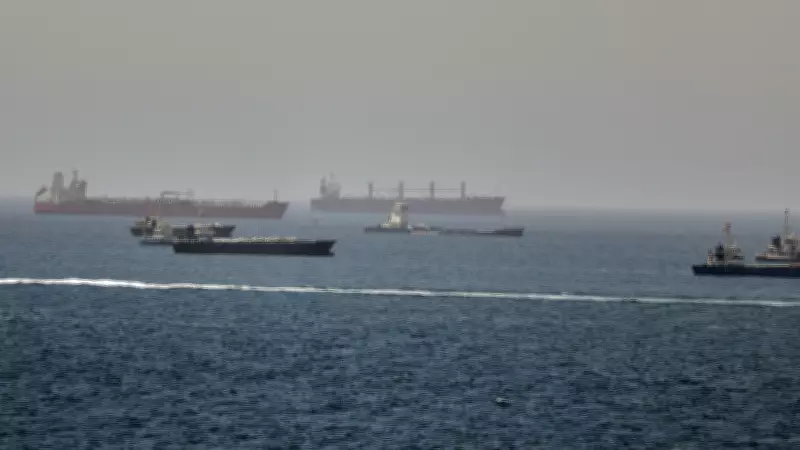
The Strait of Hormuz is a critical chokepoint for global oil shipments, with about 20% of the world's petroleum passing through it. Any disruption in this waterway could lead to a sharp increase in oil prices and economic instability worldwide. The strait connects the Persian Gulf with the Gulf of Oman and the Arabian Sea, making it vital for energy exports from Saudi Arabia, Iran, Iraq, Kuwait, and the United Arab Emirates.
Intel Report Details
According to the intelligence report, Iran's potential closure of the strait is seen as a high-risk move that could derail the fragile peace process with the US. The report indicates that Iran might consider this action if negotiations do not progress favorably or if economic sanctions are not lifted. Analysts believe that such a step would be a drastic escalation, prompting a strong response from the US and its allies.

Impact on Peace Deal
The peace deal between Iran and the US, which aims to curb Iran's nuclear program and ease sanctions, could be severely undermined if Iran follows through with the threat. The report warns that any aggressive move by Iran would likely lead to increased military presence in the region and potential conflict. Diplomatic sources suggest that the US is aware of these risks and is working to prevent any such action.
Global Reaction
The international community has expressed concern over the intelligence findings. Oil markets have already shown volatility, with prices fluctuating on the news. Major oil-consuming nations are urging restraint and calling for continued dialogue. The United Nations has also weighed in, emphasizing the need to maintain freedom of navigation in international waters.
Historical Context
Iran has previously threatened to close the Strait of Hormuz during periods of heightened tension, but it has never followed through. However, the current geopolitical climate, coupled with the ongoing nuclear negotiations, makes the threat more credible this time. Experts point out that Iran's ability to actually block the strait is limited, but even a temporary disruption could have severe consequences.
In conclusion, the intelligence report highlights the fragile state of US-Iran relations and the potential for a major crisis that could impact global energy security. The coming weeks will be crucial in determining whether diplomatic efforts can prevent a confrontation that would have far-reaching implications.