

Iran Moves to Implement Sentences for Convicted January Protesters
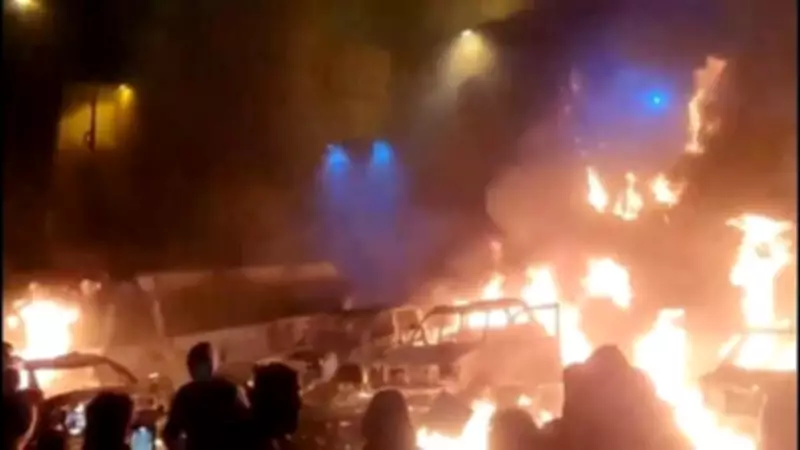
Iran's judiciary has announced that it is proceeding with the implementation of sentences against individuals convicted in connection with the protests that erupted in January. This development comes as part of the country's ongoing efforts to address unrest and maintain order, following a series of demonstrations that swept through various regions.
Judicial Actions and Legal Proceedings
The judiciary confirmed that the sentences, which were handed down after trials, are now being enforced. These legal measures target protesters who were found guilty of involvement in the January incidents, which saw widespread public outcry over economic and social issues. The authorities have emphasized that the process adheres to Iranian law, aiming to uphold justice and deter future disturbances.
Details of the Sentences: While specific penalties have not been disclosed publicly, reports suggest they may include imprisonment, fines, or other punitive actions based on the severity of the offenses. The judiciary has stated that the convictions stem from activities deemed illegal under Iranian statutes, such as inciting violence or disrupting public peace.

Context of the January Protests
The protests in January were triggered by a combination of factors, including economic hardships, political discontent, and calls for greater freedoms. They quickly gained momentum, drawing participants from diverse segments of society and leading to clashes with security forces. The government responded with a firm stance, arresting hundreds and initiating legal proceedings against alleged instigators.
International Reactions: The enforcement of these sentences has drawn attention from global human rights organizations and foreign governments, who have expressed concerns over potential abuses and the fairness of the trials. Critics argue that the crackdown may suppress dissent and violate fundamental rights, while Iranian officials defend the actions as necessary for national stability.
Implications for Iran's Domestic and International Standing
This move by Iran's judiciary could have significant ramifications:
- Domestic Impact: It may further polarize public opinion, with some viewing it as a legitimate response to lawlessness and others as an oppressive measure against peaceful expression.
- International Relations: The situation could strain Iran's ties with Western nations, particularly if perceived as part of a broader pattern of human rights violations, potentially affecting diplomatic engagements and economic sanctions.
- Future Protests: By enforcing sentences, Iran aims to set a precedent that might deter similar unrest in the future, though it could also fuel resentment and lead to renewed demonstrations.
As Iran continues to navigate these challenges, the implementation of sentences against January protesters underscores the complex interplay between security concerns and civil liberties in the region. Observers are closely monitoring developments for any shifts in policy or public response.






