

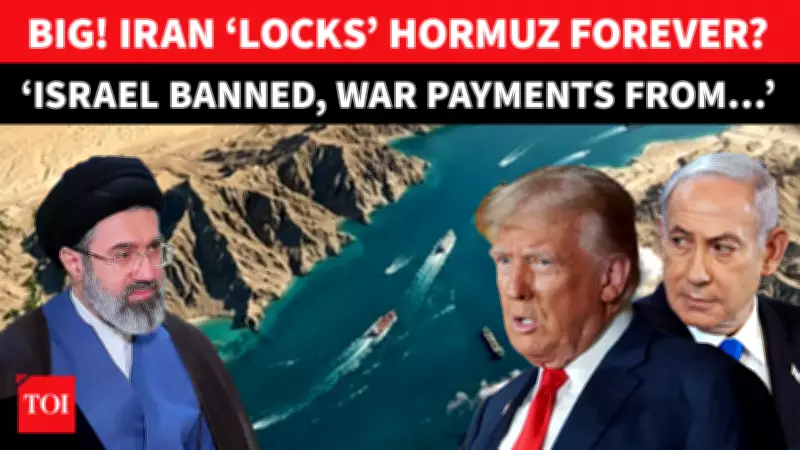
Amid continued deadlock in the US–Iran war, Tehran is preparing legislation to formalize control over the Strait of Hormuz, the strategic chokepoint through which roughly one-fifth of the world’s oil and gas shipments normally pass. According to Iranian lawmakers, the draft law would permanently bar Israeli vessels from transiting the strait and restrict ships from states Iran deems hostile unless they pay war reparations — while all other vessels would require prior approval from Iranian authorities to cross.
Key Provisions of the Draft Law
The proposed legislation aims to assert Iran's sovereignty over the Strait of Hormuz, a vital maritime corridor connecting the Persian Gulf to the Arabian Sea. Under the draft, Israeli ships are completely banned from using the strait, marking a significant escalation in Tehran's stance against Israel. Additionally, vessels flagged by countries considered hostile to Iran must pay war reparations to gain passage. All other ships must obtain explicit permission from Iranian authorities before transiting.
Strategic Importance
The Strait of Hormuz is a critical chokepoint for global energy supplies, handling about 20% of the world's oil and liquefied natural gas. Iran's move could disrupt international shipping and energy markets, potentially leading to higher oil prices and supply chain disruptions. The legislation reflects Iran's determination to leverage its geographic position amid ongoing tensions with the United States and its allies.

International Reactions
The international community has expressed concern over the draft law. The United States has called it a threat to freedom of navigation, while Israel has condemned the move as an act of aggression. Gulf states, heavily reliant on the strait for oil exports, are closely monitoring the situation. Iran's lawmakers argue that the law is necessary to protect national security and respond to hostile actions by foreign powers.
As the draft moves through Iran's parliamentary process, the world watches for potential impacts on maritime trade and regional stability. The legislation could further escalate tensions in the Middle East, already fraught with conflict and diplomatic standoffs.






