

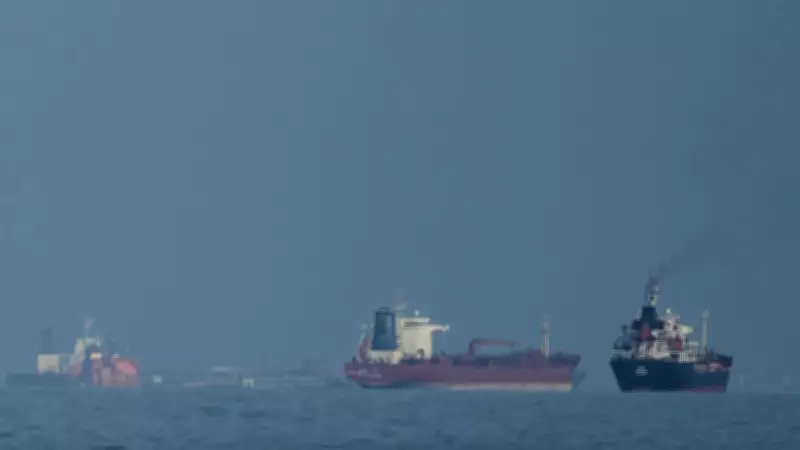
Iran Grants Transit Access Through Strait of Hormuz to Friendly Nations Including India
In a significant development amid escalating tensions in the Middle East, Iran declared on Thursday that it has authorized transit through the strategically vital Strait of Hormuz for "friendly nations," with India prominently included in this list. This announcement comes directly from Iran's foreign minister, Abbas Araghchi, and was disseminated by the consulate general of Iran in Mumbai.
Statement from Iranian Foreign Minister
The consulate general of Iran in Mumbai released an official statement quoting Foreign Minister Abbas Araghchi, who explicitly stated, "We have permitted passage through the Strait of Hormuz for friendly nations, including China, Russia, India, Iraq, and Pakistan." This move is seen as a strategic gesture to maintain economic and diplomatic ties with key allies while navigating the volatile regional landscape.
UN Secretary-General's Urgent Appeal
This declaration from Iran follows a pressing call from United Nations Secretary-General Antonio Guterres, who emphasized the critical need to keep the Strait of Hormuz open. In a post on the social media platform X, Guterres highlighted the severe consequences of any prolonged closure, noting that it is "choking the movement of oil, gas, and fertilizer at a critical moment in the global planting season."

Guterres further elaborated on the broader humanitarian and economic impacts, stating, "Across the region and beyond, civilians are enduring serious harm and living under profound insecurity. The UN is working to minimize the consequences of the war. And the best way to minimize those consequences is clear: end the war immediately."
Direct Messages to Involved Parties
The UN chief issued separate, pointed messages to the key players in the conflict. To the United States and Israel, he urged, "My message to the US and Israel is that it's high time to end the war - as human suffering deepens, civilian casualties mount, and the global economic impact is increasingly devastating." To Iran, he advised, "My message to Iran is to stop attacking their neighbours that are not parties to the conflict."
Strategic Importance of the Strait of Hormuz
The Strait of Hormuz remains a crucial chokepoint for global energy flows, particularly for Western powers reliant on oil exports from the region. Its increasing volatility, exacerbated by the ongoing US-Israel offensive against Iran and Tehran's retaliatory actions, has raised fears of significant disruptions. Any closure or restriction could effectively strangle global energy supplies, leading to widespread economic repercussions.
Iran's decision to allow transit for specific nations underscores its efforts to balance military posturing with economic pragmatism. By permitting access to allies like India, China, and Russia, Iran aims to mitigate some of the economic fallout while maintaining pressure on adversaries.
Broader Regional Implications
This development occurs against a backdrop of heightened military activities and threats in the Middle East. Iran has previously warned of potential actions against other key straits, indicating a broader strategy of leveraging maritime control. The situation remains fluid, with ongoing reports of military engagements and diplomatic maneuvers shaping the regional dynamics.
The international community, led by the UN, continues to advocate for de-escalation and a peaceful resolution to prevent further humanitarian crises and economic instability. The focus remains on ensuring that critical waterways like the Strait of Hormuz remain accessible to maintain global trade and energy security.






