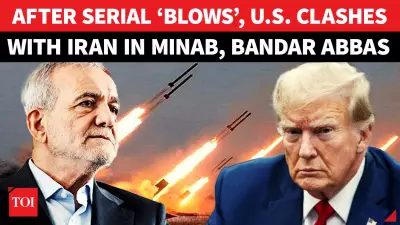
A recent memorandum of understanding (MoU) between the United States and Iran is expected to bring a halt to hostilities across all fronts, according to Pakistan, which acted as mediator. The exact terms of the agreement have not been disclosed publicly.
Hezbollah's Strategic Position
Despite suffering significant losses in the ongoing West Asia conflict, Hezbollah, the Lebanese militant group backed by Iran, is seen as a potential beneficiary of the US-Iran deal. Analysts suggest that the agreement could provide a strategic respite for the group, allowing it to regroup and reassert influence in the region.
Impact of the War
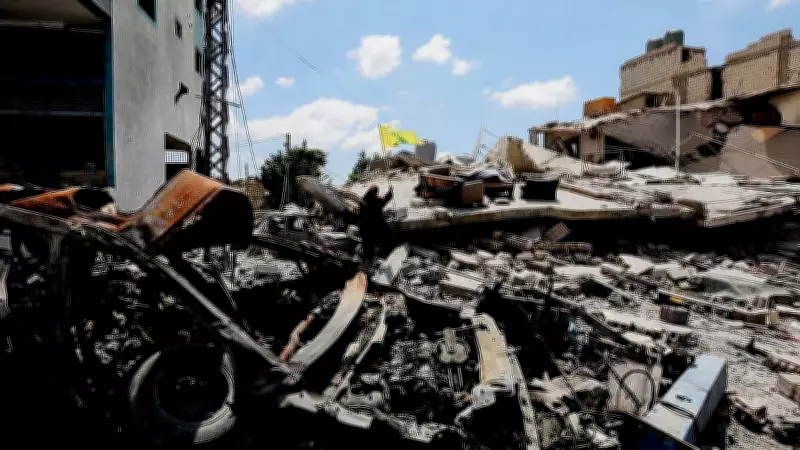
The conflict has taken a heavy toll on Hezbollah, with many of its fighters killed and its infrastructure damaged. However, the group remains a key player in Lebanon and a critical proxy for Iran. The MoU may ease pressure on Iran, indirectly strengthening Hezbollah's position.

Mediation Role of Pakistan
Pakistan's involvement as a mediator underscores its diplomatic efforts in the region. A Pakistani official stated that the MoU aims to reduce tensions and prevent further escalation, though specific details remain confidential.
Regional Reactions
Israel, a direct adversary of Hezbollah, has not officially commented on the deal. Meanwhile, the United States has maintained a cautious stance, emphasizing that the agreement is limited to halting hostilities and does not address broader issues such as Iran's nuclear program or support for militant groups.
Future Prospects
If the ceasefire holds, Hezbollah could leverage the pause to rebuild its military capabilities and political standing. However, the group faces challenges, including internal dissent in Lebanon and ongoing economic crises. The deal's success will depend on compliance from all parties and further negotiations.