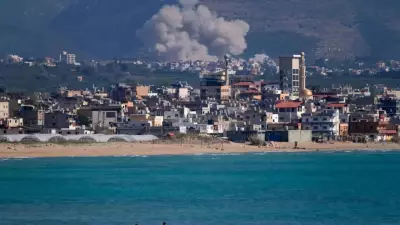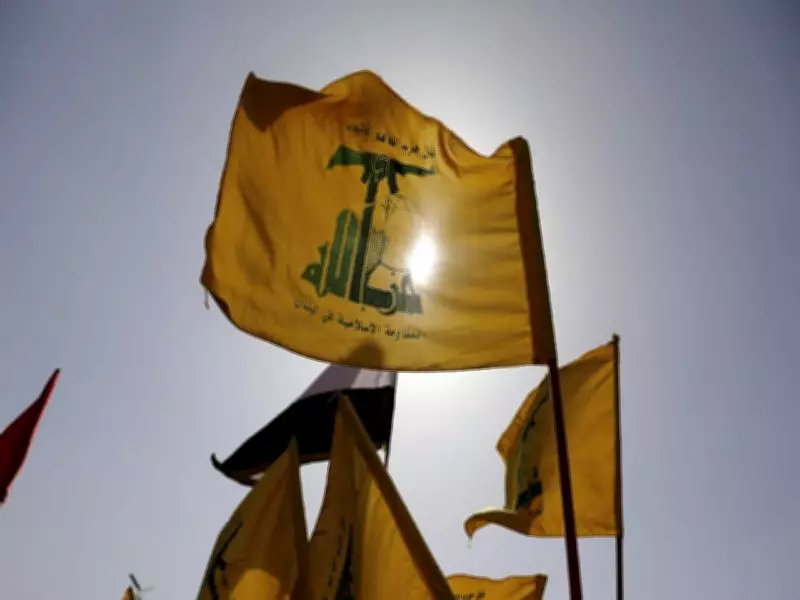
The Lebanese presidency announced that official channels have received confirmation of Hezbollah's agreement to the US proposal, which calls for a reciprocal cessation of attacks. Under the provisions of the drafted framework, Israeli military strikes targeting the southern suburbs of Beirut would come to a halt. In return, the Iran-backed Shiite militia would commit to refraining from executing cross-border operations against Israel.
Diplomatic Framework and Next Steps
The diplomatic framework indicates that the proposed ceasefire would be expanded to encompass all Lebanese territories to ensure a comprehensive cessation of hostilities across the region. To cement the diplomatic breakthrough, senior stakeholders have slated further discussions on Tuesday and Wednesday to discuss this progress and build upon it in a bid to formalize a lasting agreement.
US Involvement and Trump's Role
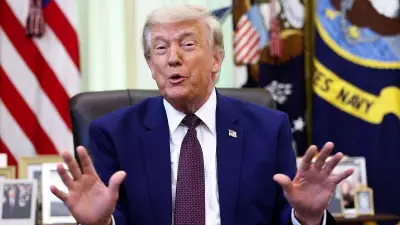
In alignment with these shifting diplomatic channels, US President Donald Trump announced that he held discussions with Israeli Prime Minister Benjamin Netanyahu alongside representatives from Hezbollah, asserting that military personnel would not be deployed to Beirut. Trump stated on social media, "I had a very productive call with Prime Minister Bibi Netanyahu, of Israel, and there will be no Troops going to Beirut, and any Troops that are on their way, have already been turned back." He further noted, "Likewise, through highly placed Representatives, I had a very good call with Hezbollah, and they agreed that all shooting will stop -- That Israel will not attack them, and they will not attack Israel."

Official Statements and Coordination
Parallel to Trump's personal declarations, the Lebanese embassy in Washington released an official communique detailing that Hezbollah had consented to the parameters of an American framework for a mutual cessation of attacks. According to the diplomatic mission, under the proposed arrangement, Israeli strikes on Beirut's southern suburbs would cease in exchange for Hezbollah refraining from attacks against Israel. The embassy added that the ceasefire would then be expanded to encompass all Lebanese territory. Providing further insight into the trilateral coordination, the statement from the embassy also indicated that President Trump had reached out to the Lebanese ambassador to the US to convey that Netanyahu had endorsed the framework.
Broader Regional Implications
Beyond the immediate dynamics in Beirut, Trump additionally asserted that talks are continuing at a rapid pace with the Islamic Republic of Iran. This ongoing dialogue persists despite recent uncertainty, as Trump earlier mentioned to NBC News that he had not received prior notification regarding the choice to pause deliberations, though he remarked, "I think it's fine if they're done talking." During a concise telephonic exchange with the network, he commented, "It's an appropriate thing to say, because they're better negotiators than they are fighters," while noting, "But they haven't informed us of that."
Economic and Military Context
The necessity for continuous engagement remains critical as regional tensions threaten global stability. Prior to this, Tasnim reported that Tehran was evaluating a complete shutdown of the Strait of Hormuz--a vital maritime corridor previously responsible for a fifth of global oil transit--alongside restricting access to alternative shipping lanes, including the Bab el-Mandeb Strait, to penalize Israel and its allies. The economic fallout of this geopolitical brinkmanship was immediate, as global crude values spiked by over 6 US dollars per barrel following the report by Tasnim. Compounding these volatile conditions, the US armed forces and Iranian units traded strikes over the weekend extending into Monday, marking a fresh wave of hostilities amidst the ongoing truce. Concurrently, Israel has persisted with its military campaign inside Lebanon, with its conventional forces executing their deepest territorial penetration in 26 years over the weekend, after which Netanyahu directed strikes against the Hezbollah-dominated southern suburbs of Beirut, indicating a worsening escalation.

Background and Conflict Overview
The broader conflict, initiated by the US and Israel on February 28, has already resulted in thousands of fatalities, primarily across Iran and Lebanon, alongside the loss of 13 US service personnel, while sending global energy prices soaring after Iran's retaliatory blockade of the Strait of Hormuz. Consequently, diplomatic efforts aimed at securing a comprehensive peace accord have faced persistent hurdles due to ongoing friction over multiple sticking points, notably the trajectory of Iran's nuclear and missile development initiatives.