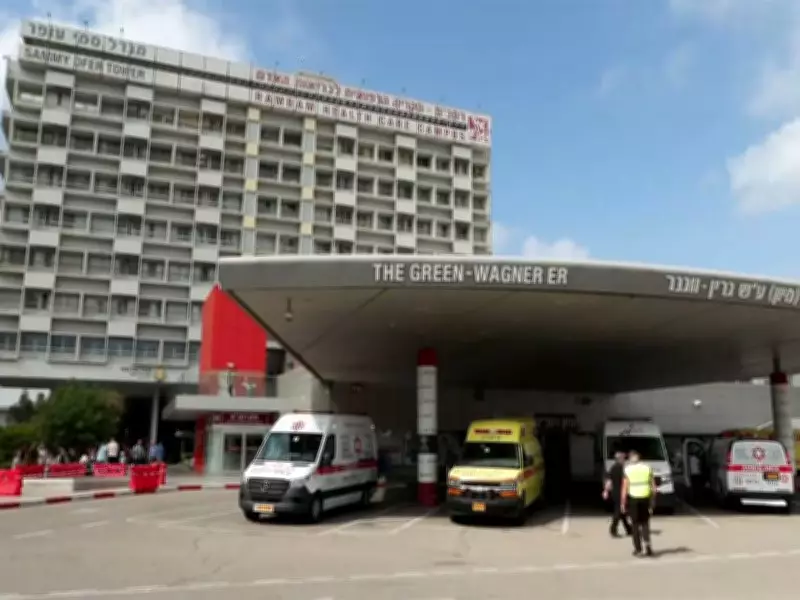
Rambam Hospital in Haifa, one of Israel's largest medical centers, has activated its fortified underground emergency facility, capable of accommodating up to 2000 beds. This state-of-the-art facility is designed to ensure uninterrupted medical services during times of conflict or crisis.
Underground Fortified Facility
The underground complex, built to withstand rocket attacks and other threats, provides a secure environment for patients and medical staff. It includes operating rooms, intensive care units, and other critical medical services. The facility can be fully operational within hours, allowing the hospital to continue treating patients even under fire.
Strategic Importance
Located in northern Israel, Haifa has been a target for rocket attacks from Hezbollah and other groups. The activation of this facility underscores the hospital's commitment to preparedness and resilience. Dr. Michael Halberthal, director of Rambam Hospital, stated, 'This facility is a testament to our dedication to providing continuous, high-quality medical care, regardless of external threats.'

Capacity and Capabilities
The 2000-bed capacity includes space for both emergency and routine patients. The facility is equipped with advanced medical technology, including telemedicine capabilities, to connect with specialists worldwide. It also has its own power generators, water supplies, and ventilation systems, ensuring full autonomy during emergencies.
Historical Context
Rambam Hospital has a history of innovation in emergency preparedness. During the 2006 Lebanon War, the hospital treated hundreds of casualties while under rocket fire. The underground facility was conceived as a result of lessons learned from that conflict. Construction began in 2010 and was completed in 2014, with periodic drills to ensure readiness.
Regional Impact
The activation of this facility not only protects patients in Haifa but also serves as a model for other hospitals in conflict zones. It demonstrates how medical infrastructure can be designed to withstand modern warfare. The facility can also support neighboring communities in case of mass casualty events.
Conclusion
Rambam Hospital's underground emergency facility represents a significant advancement in medical preparedness. By providing a safe and fully equipped environment, it ensures that healthcare remains accessible even in the most challenging circumstances. This initiative highlights the importance of investing in resilient medical infrastructure to protect lives during conflicts.