

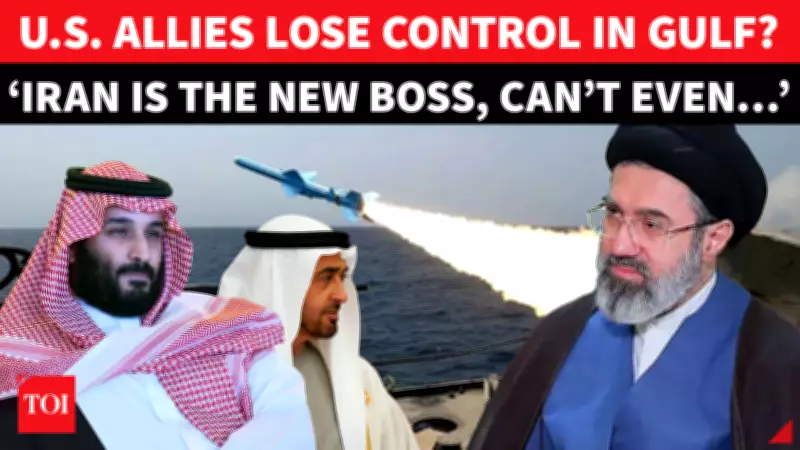
Gulf States Fear Iran's Grip on Hormuz Strait as Global Flashpoint
A chilling warning from former Russian President Dmitry Medvedev has thrust the Strait of Hormuz into the center of global geopolitics, raising alarms among Gulf nations. As U.S.-Iran talks shift focus from missiles to uranium enrichment and maritime leverage, there is growing fear that a dangerous compromise is emerging, leaving the region vulnerable.
Iran's Strategic Weaponization of Hormuz
Iran now treats the Strait of Hormuz as a strategic weapon, capable of disrupting global oil flows and exerting pressure on international markets. This narrow waterway, through which about one-fifth of the world's oil passes, has become a critical chokepoint in Middle Eastern tensions.
Analysts warn that while current negotiations may temporarily stabilize tensions, they fail to address the core threats posed by Iran's maritime ambitions. This leaves Gulf states, including Saudi Arabia and the United Arab Emirates, exposed to significant risks without adequate representation in diplomatic discussions.

Exclusion from Talks and Energy Security Risks
Gulf nations are expressing rising frustration over their exclusion from key U.S.-Iran talks, which they argue undermines regional security interests. The potential for Iran to leverage control over Hormuz as a "red line" in negotiations adds to the volatility, transforming a regional crisis into a global flashpoint with massive consequences.
The implications extend far beyond the Middle East, affecting global energy security and economic stability.With oil markets already sensitive to geopolitical shifts, any disruption in the Strait of Hormuz could trigger widespread price spikes and supply chain issues. This scenario underscores the urgent need for inclusive diplomatic efforts that address the concerns of all stakeholders in the region.
Global Repercussions and Diplomatic Challenges
The situation highlights the complex interplay between nuclear diplomacy, maritime security, and regional power dynamics. As Iran flexes its military capabilities, including new missile deployments, the risk of escalation remains high, with U.S. troops on alert in the Gulf.
This crisis underscores the broader trend of geopolitical realignments, where traditional alliances are tested and new fault lines emerge in international relations.In summary, the Strait of Hormuz has evolved from a regional waterway to a strategic battleground, with Gulf states fearing Iran's growing grip and the global community watching closely. The outcome of ongoing negotiations will likely shape not only Middle Eastern stability but also the future of global energy markets and diplomatic engagements in the years to come.






