The Mystery Behind the Greek Village Where Time Stopped at 2:34
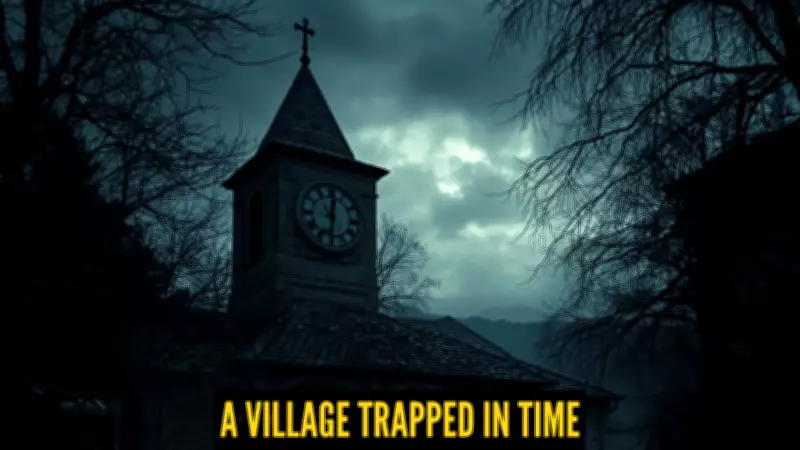
On the forested slopes of the Chelmos Mountains in Greece’s northern Peloponnese sits a truly unique village. Kalavryta initially looks just like a classic alpine retreat. You'll spot stone houses lining quiet streets, and snow-capped peaks in the background. But take a closer look at the town’s main church, and you'll notice something strange on its bell tower: two clocks. One shows the actual time. The other hasn't ticked past 2:34 pm in decades.
It’s not broken. It’s a deliberate memorial marking the precise moment on 13 December 1943 when tragedy struck this quiet Greek settlement. Today, Kalavryta remains a stunning destination, yet it's also a place where wartime history is etched into the very streets.
The Mystery Behind the Frozen Clock
For most travellers, the clock tower at the Metropolitan Holy Church of the Dormition of the Virgin Mary is their first stop. This frozen timepiece is Kalavryta’s most recognisable symbol, as well as one of Greece’s most poignant landmarks.

There are no spooky myths or legends here; this mystery stems from brutal reality. The hands stay locked at 2:34 pm to mark the exact moment German forces began a mass execution of the village's male residents during the Second World War. After the war, locals purposely left the clock as it was, ensuring no one would ever forget what happened.
The Day That Changed Everything
To grasp why Kalavryta feels so distinct from other alpine spots, you have to rewind to December 1943. Following skirmishes between Greek resistance fighters and German troops, the German military triggered 'Operation Kalavryta'. They burned surrounding villages and murdered civilians, but when they arrived in Kalavryta, they promised the locals they were safe.
That was a lie. On the morning of 13 December, soldiers rounded up the whole village. Women and children were shoved into the local school and locked inside. Meanwhile, all men and teenage boys were marched up to Kapi Hill. From this vantage point, they were forced to watch the troops set their homes alight. Then, at 2:34 pm, the signal was given. Machine gun fire ripped through the crowd. More than 465 men and boys died that afternoon, leaving only a tiny fraction of survivors. The women and children eventually broke out of the burning school, only to find the horrific aftermath on the hillside.
A Town Haunted by Memory
People often call Kalavryta haunting, but there’s nothing supernatural about it. The ghosts here are memories. For years, it was simply known as a town of widows. Dressed head-to-toe in black, the surviving women slowly rebuilt their homes, businesses, and community from the rubble. They passed the emotional weight of that day down through the generations. You can still feel that profound sense of remembrance when you visit. The frozen clock and the stories kept alive by local families make this a place for quiet reflection rather than just casual sightseeing.
Places Every Visitor Should See
- Municipal Museum of the Kalavrytan Holocaust: Set up in the very school where the women and children were trapped, this museum is essential viewing. It displays personal items, photographs, and survivor accounts from 1943.
- Place of Sacrifice (Kapi Hill): A short walk from the centre, this hillside features a massive white cross and memorial stones bearing the victims' names. The sweeping mountain views are beautiful, but the absolute silence is what really sticks with you.
Beyond the Tragedy
Kalavryta’s history is a major draw, but its natural and cultural sites are equally striking.

- Holy Monastery of Agia Lavra: Located about five kilometres out of town, this is a cornerstone of modern Greek religious history.
- Mega Spilaio Monastery: This incredible structure is built straight into a cliff face overlooking the Vouraikos Gorge.
- Cave of the Lakes: Nature enthusiasts will love this underground maze of terraced lakes and odd rock formations, which stays refreshingly cool all year round.
How to Visit
Kalavryta sits roughly 142 kilometres west of Athens. By car, a straightforward drive from the capital takes about two and a half hours. By train, catch a service from Athens to Diakopto, then switch to the Odontotos railway. Spring and autumn offer gorgeous weather and thinner crowds, though winter pulls in plenty of visitors heading to the nearby Helmos Ski Centre.
It might not have the global fame of the Greek islands, but Kalavryta is unforgettable. Beneath its picturesque exterior lies a profound story of loss and resilience. That clock, stuck forever at 2:34 pm, is a stark reminder that while time keeps marching on for the rest of us, some moments are permanently frozen in history.