

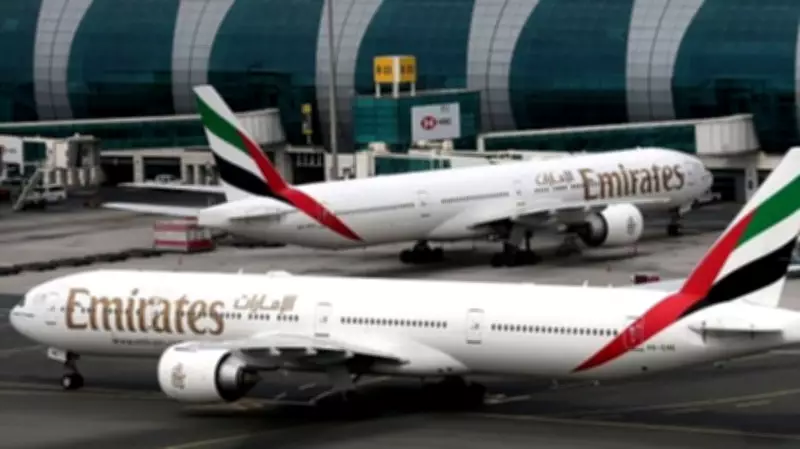
Emirates Airline Enforces Strict Ban on Iranian Nationals for UAE Travel
In a significant development impacting regional travel, Dubai-based Emirates Airline has officially prohibited Iranian nationals from entering or transiting through the United Arab Emirates. This directive, which took effect immediately, stems from new government regulations that have compelled the airline to adjust its passenger policies. The ban applies to all Iranian passport holders, regardless of their final destination, effectively barring them from using Emirates flights to access or pass through UAE airports.
Details of the Travel Restriction
The airline confirmed the enforcement of this restriction, stating it is in compliance with the latest directives issued by UAE authorities. This move disrupts travel plans for many Iranian citizens who frequently use Emirates, a major global carrier, for international journeys. The ban encompasses both entry into the UAE for tourism, business, or other purposes, as well as transit stops, which are common for connecting flights through Dubai's busy hubs.
Emphasizing the regulatory basis, an Emirates spokesperson highlighted that the decision was not made unilaterally by the airline but is a response to governmental mandates. This clarification underscores the broader geopolitical context influencing such measures, as tensions in the Middle East often translate into travel and diplomatic restrictions.

Impact on Passengers and Regional Dynamics
The immediate effect of this ban is a logistical challenge for Iranian travelers, who must now seek alternative routes or airlines for their international trips. Emirates, known for its extensive network, has been a preferred choice for many, making this prohibition a notable inconvenience. Additionally, this development may strain bilateral relations between Iran and the UAE, reflecting ongoing diplomatic complexities in the region.
Industry analysts note that such travel bans can have ripple effects on tourism and business exchanges, potentially impacting economic ties. The UAE, particularly Dubai, has long been a hub for international commerce and transit, and restrictions on specific nationalities could alter travel patterns and airline strategies.
Broader Implications and Compliance
This move by Emirates aligns with a trend of increasing travel restrictions in response to geopolitical tensions. Other airlines and countries in the region may observe similar measures, affecting global mobility. Passengers are advised to check with airlines and authorities for the latest travel advisories before planning trips involving the UAE.
In summary, the ban on Iranian nationals by Emirates Airline marks a pivotal shift in UAE travel policies, driven by government directives. It highlights the intersection of aviation, diplomacy, and security in the Middle East, with practical consequences for travelers and international relations.






