Eid al-Fitr 2026 Unfolds Under Shadow of Conflict and Security Concerns in Middle East
Eid al-Fitr 2026, anticipated to fall around March 19–20 depending on moon sightings, is being observed across parts of the Middle East amid a backdrop of regional conflict, security alerts, and severe humanitarian crises. Traditionally a festival associated with communal prayers, joyous family gatherings, and vibrant public celebrations, this year's Eid has instead unfolded under heightened security measures, widespread displacement, and ongoing violence in several countries, reshaping how communities mark the holiday.
Regional Security and Subdued Observances
Across the region, authorities have issued security advisories, humanitarian organisations have warned of worsening conditions, and communities in conflict zones are marking the holiday in subdued and somber ways. The festive spirit has been dampened by fears of escalation and the harsh realities of war, with many families forced to celebrate in displacement shelters or damaged homes rather than traditional settings.
Saudi Arabia: Heightened Precautions During Eid Prayers
In Saudi Arabia, authorities have significantly increased security precautions during the Eid period due to concerns over missile and drone threats linked to broader regional tensions. Worshippers have been advised to remain cautious around crowded public places and markets throughout the holiday, as reported by Arab News.

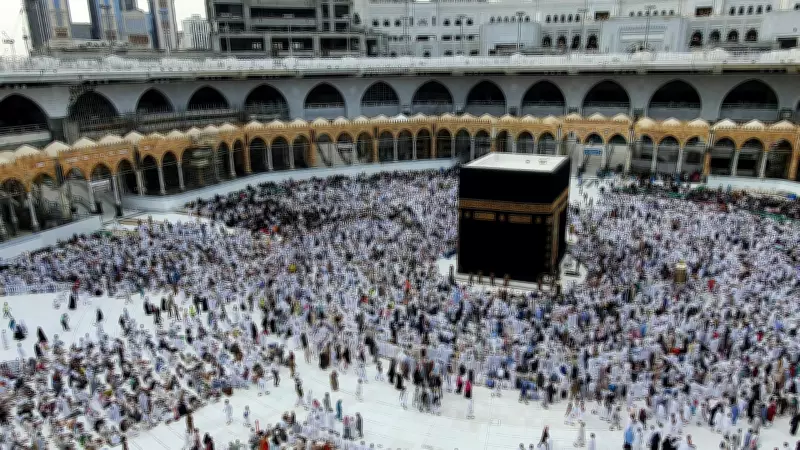
Despite the tense security environment, the Grand Mosque in Mecca continues to host large numbers of worshippers during Ramadan and Eid, with authorities maintaining extensive security and surveillance measures around key religious sites. Air defence systems across strategic locations remain on high alert amid the ongoing regional confrontation, according to House of Saud.
Saudi officials have emphasised the importance of maintaining normal religious observances while ensuring safety at major gathering points, particularly during the large-scale Eid prayers held at mosques across the kingdom.
United Arab Emirates: Scaled-Back Celebrations and Travel Disruptions
Public celebrations in the United Arab Emirates, especially in Dubai and Abu Dhabi, have been notably affected by regional instability. Several major entertainment events linked to Eid have been scaled back, including fireworks displays at Dubai’s Global Village, as reported by The National and Khaleej Times.
Air travel disruptions connected to regional tensions have further complicated holiday travel plans. Flight instability and airspace concerns have impacted some passengers travelling through Gulf hubs, with authorities actively assisting travellers facing delays and disruptions, according to The National.
The UAE government declared public holidays from March 19 to 22, though security agencies have increased monitoring of public spaces during the Eid period, as noted by Khaleej Times.
Gulf States: Cautious Gatherings Across the Region
Across Qatar, Kuwait, Bahrain, and Oman, Eid celebrations are proceeding under a pervasive climate of regional tension. Security authorities across the Gulf Cooperation Council states have implemented precautionary measures at major public gathering areas and transportation hubs.
Travel disruptions and heightened security checks have affected some regional movement during the holiday period, according to Travel and Tour World. Oman has continued diplomatic outreach aimed at reducing tensions in the region, while humanitarian coordination efforts have been reported among Gulf states as the conflict impacts multiple neighbouring countries, as per House of Saud.
Lebanon: Eid Amid Displacement and Humanitarian Crisis
In Lebanon, Eid is being observed amid one of the region’s most severe humanitarian crises. WHO ReliefWeb reports that more than 820 people have been killed and approximately one million displaced, representing nearly one-fifth of the country’s total population.
WHO ReliefWeb further notes that at least 25 attacks on health facilities have resulted in 16 deaths and 29 injuries, while 48 clinics and five hospitals have been forced to close. Consequently, for many families, Eid is being marked in displacement shelters or within damaged communities rather than in their traditional homes.

Iran: Casualties and Restrained Celebrations
Iran has also faced significant casualties during the ongoing regional escalation. WHO ReliefWeb reports that strikes have resulted in more than 1,200 deaths and over 15,000 injuries, with around 100,000 people displaced.
Healthcare facilities have been directly affected by the conflict, with WHO monitoring recording at least 18 attacks on health facilities resulting in eight deaths, further straining medical services during the crisis. Amid fears of further escalation, many families have chosen to observe Ramadan and Eid in more private settings rather than participating in large public gatherings. Iran’s leadership has rejected negotiations as tensions continue to rise, according to House of Saud.
Gaza and the West Bank: Eid During Continuing War
In the Palestinian territories, Eid arrives during the continuing Israel–Hamas war, where humanitarian conditions remain severe. Access restrictions, ongoing fighting, and damaged infrastructure have complicated aid delivery and emergency services.
WHO ReliefWeb reports that ambulance movement and medical access have been disrupted, while famine risks and large-scale displacement continue to affect many communities. Instead of festive gatherings, many families are marking the holiday through prayer and remembrance of relatives lost during the conflict. Wartime celebrations in Gaza have previously been described as an “Eid of sadness”, with prayers held amid the sound of bombardment, according to Al Jazeera.
Regional Solidarity Beyond Conflict Zones
The impact of the conflict has also been visible in Eid observances outside immediate war zones. In Turkey, mosques in Istanbul displayed Palestinian flags and messages of solidarity during Eid prayers, as reported by Times of Israel.
Religious leaders in Nairobi, Kenya, also used Eid sermons to call for solidarity and humanitarian support for civilians affected by the war in Gaza, Times of Israel reported. Meanwhile, emergency services in Iraq have faced operational challenges, including blocked ambulance routes during the regional escalation.
WHO ReliefWeb reports that wider regional strikes have also worsened humanitarian conditions in countries such as Yemen and Syria, though detailed Eid-specific reports from those nations remain limited.
Across large parts of the Middle East, Eid al-Fitr 2026 is therefore unfolding under circumstances starkly different from its traditional celebrations. Security warnings, travel disruptions, displacement, and ongoing fighting have fundamentally reshaped how the festival is marked, highlighting the profound human cost of regional conflicts.