

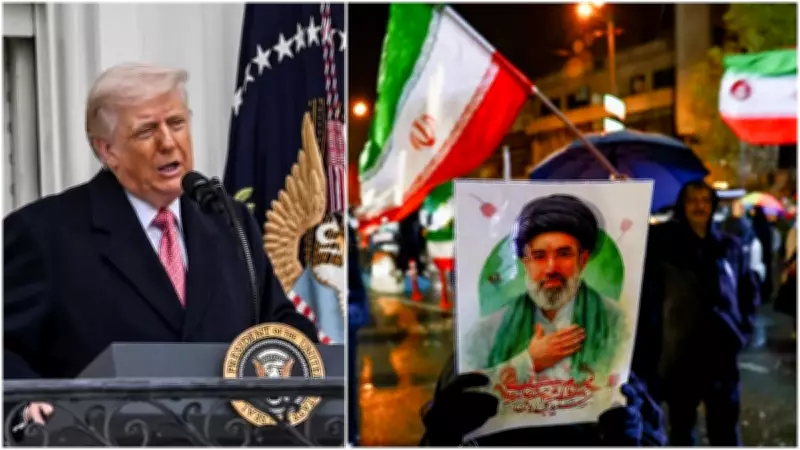
De-escalation in Iran Emerges as Most Probable Outcome in Current Crisis
In the volatile landscape of Middle Eastern geopolitics, analysts are increasingly pointing toward de-escalation in Iran as the most likely scenario moving forward. This assessment comes amid heightened tensions that have gripped the region, with Iran positioned as a key player capable of influencing global stability.
Iran's Strategic Leverage in International Affairs
Iranians hold almost all the cards when it comes to their ability to inflict lethal damage upon the international system. This formidable position grants Tehran significant bargaining power in diplomatic negotiations and conflict resolution efforts. The nation's strategic assets, including its influence over critical maritime routes like the Strait of Hormuz and its advanced military capabilities, make it a force that global powers cannot afford to ignore.
The international community recognizes that Iran's actions could trigger widespread economic and security repercussions across multiple continents. This reality places immense pressure on world leaders to engage in careful diplomacy rather than military confrontation.

The Imperative for Negotiated Settlements
For global leaders, particularly those in positions of significant influence like former U.S. President Donald Trump during his administration, the imperative to reach negotiated settlements subsumes all other considerations. The complexity of Middle Eastern conflicts, including the ongoing Israel-Palestine tensions and broader regional disputes, demands diplomatic solutions over escalatory measures.
Historical precedents, such as the Iran Nuclear Deal negotiations, demonstrate that diplomatic engagement can yield substantial results in reducing regional tensions. The current geopolitical climate suggests that similar approaches may be necessary to prevent further deterioration of international relations.
Broader Implications for Global Stability
The situation in Iran intersects with multiple critical issues affecting global security:
- The future of nuclear non-proliferation agreements in the Middle East
- Maritime security in vital international shipping lanes
- Regional power dynamics between Iran, Israel, Arab states, and Western powers
- Economic stability tied to energy markets and international trade
Experts emphasize that any miscalculation in handling the Iran situation could have cascading effects on these interconnected systems. The responsibility to avoid such outcomes falls heavily on diplomatic channels and international cooperation mechanisms.
As the world watches developments in the region, the consensus among foreign policy analysts suggests that despite periodic escalations, the fundamental incentives for all parties point toward eventual de-escalation and diplomatic resolution. The costs of conflict—economic, humanitarian, and strategic—simply outweigh potential benefits for even the most hawkish actors in the current international system.






