

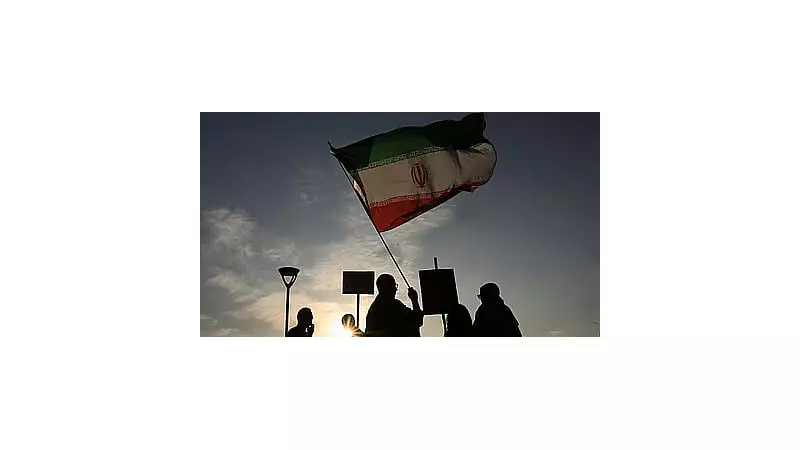
Iran is witnessing a significant escalation in anti-government protests, accompanied by widespread internet disruptions, following a public call for demonstrations by the country's exiled crown prince. The unrest, which began over the weekend, marks one of the most visible waves of dissent in recent months.
Exiled Prince's Call Ignites Fresh Demonstrations
The latest wave of protests was triggered by a video message from Reza Pahlavi, the exiled son of Iran's last monarch, Shah Mohammad Reza Pahlavi. In his address, Pahlavi urged citizens to stage a nationwide "revolutionary strike" on Sunday, October 27. He specifically called for demonstrations in Tehran's Grand Bazaar, a traditional epicenter of Iranian commerce and protest.
This call appears to have resonated, with reports indicating that protests spread to at least a dozen provinces. Social media footage, though difficult to verify independently due to state restrictions, showed gatherings in areas including Isfahan, Karaj, Mashhad, and Shiraz. The protests are not centralized but represent a broad, decentralized expression of discontent.

Government Response: Crackdown and Communication Blackout
Authorities responded with a familiar dual strategy: a security crackdown and severe restrictions on communication. A significant internet blackout was reported across major cities, with connectivity severely slowed or completely cut. Monitoring groups noted that mobile data networks, crucial for organizing and sharing information, were largely shut down.
Security forces were deployed in strength, particularly around the Grand Bazaar in Tehran and other potential flashpoints. Despite the heavy presence and the communication blockade, videos surfaced showing protesters in various neighbourhoods chanting anti-government slogans. The government has not released official figures on arrests, but activist groups allege numerous detentions.
Context and Underlying Grievances
This new surge of protests occurs against a backdrop of persistent economic hardship and social repression. While the exiled prince's message provided a focal point, the underlying drivers of anger remain deeply rooted. Citizens continue to grapple with soaring inflation, high unemployment, and the stifling of personal freedoms.
The protest movement in Iran has demonstrated remarkable resilience since the death of Mahsa Amini in morality police custody in September 2022. Although the frequency and scale of protests had diminished following a harsh state crackdown, sporadic demonstrations have never fully ceased. The current events suggest that the embers of dissent are easily reignited.
The involvement of Reza Pahlavi adds a new dimension. While he has supporters among some older Iranians and the diaspora, his appeal to the younger, core demographic of the recent protest waves is uncertain. However, his platform provides an alternative voice that challenges the Islamic Republic's narrative.
The Iranian government maintains its stance, blaming foreign adversaries and "terrorist" groups for instigating the unrest. State media largely ignores the protests or downplays their scale, focusing instead on official government activities.
As the internet blackout continues, it becomes increasingly challenging to ascertain the full extent of the protests and the official response. The situation remains fluid, indicating that the longstanding tension between the Iranian state and a significant portion of its populace is far from resolved. The world watches to see if these scattered demonstrations will coalesce into a more sustained challenge or be suppressed as authorities attempt to regain full control.






