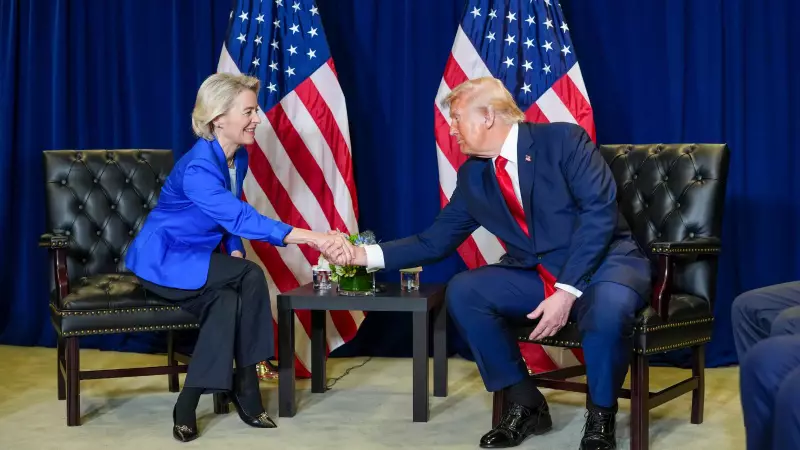
Despite shared geopolitical interests and nearly two years of negotiations, the United States and European Union remain locked in difficult talks over a significant trade agreement concerning steel and aluminum. The core objective is to resolve their long-standing tariff dispute and establish a new framework that promotes sustainable trade. However, with a critical self-imposed deadline of December 2023 fast approaching, a resolution seems increasingly elusive.
The Stumbling Blocks in the Negotiation Room
The heart of the disagreement lies in the proposed Global Arrangement on Sustainable Steel and Aluminum (GSA). This deal is intended to replace the Section 232 tariffs that former US President Donald Trump imposed in 2018, which taxed EU steel at 25% and aluminum at 10%. In retaliation, the European Union placed tariffs on iconic American products like bourbon and motorcycles.
In 2021, the two sides agreed to a temporary truce, pausing these retaliatory tariffs while they worked on a permanent solution. The Biden administration views the GSA not just as a trade pact but as a strategic tool to counter non-market excess capacity, primarily from China, and to set global standards for environmentally friendly production.

However, several key issues are preventing a consensus. The European Union is deeply concerned about the US Inflation Reduction Act (IRA), which offers massive subsidies and tax credits for green technology, but predominantly for products made in North America. European officials see this as a discriminatory policy that unfairly disadvantages their companies.
Furthermore, the EU is resisting the US push to make the deal permanent and open to other "like-minded" countries. European nations prefer a more flexible arrangement that can be reviewed and adjusted over time. There is also a fundamental clash over how to treat developing countries within the agreement, with the EU wary of a approach that could be seen as overly protectionist.
The Looming Deadline and Potential Consequences
The timeline adds immense pressure. The temporary tariff truce is set to expire on December 31, 2023. If no new agreement is reached by then, the disruptive tariffs from both sides could automatically snap back into place, reigniting a transatlantic trade war that would harm industries on both sides of the Atlantic.
This deadline was set during a meeting between US President Joe Biden and European Commission President Ursula von der Leyen in October 2022. Their goal was to use the GSA to create a common front against climate change and global market distortions. Yet, as one EU official candidly admitted, the two sides are "still far apart" on major elements of the deal.
The negotiations are not just about metals; they are a test of the Western alliance's ability to forge a unified economic strategy. A failure to agree could strain the political relationship between the US and EU at a time when unity on issues like supporting Ukraine and confronting China is considered paramount.
What Comes Next for Transatlantic Trade?
The path forward is fraught with complexity. Both sides acknowledge the high stakes, but neither appears willing to make the necessary concessions to meet the year-end deadline. Some observers suggest that the most likely outcome is another short-term extension of the status quo, pushing the difficult decisions further into 2024.
This delay, however, comes with its own costs. It prolongs uncertainty for businesses in both the US and Europe and delays the creation of a coordinated approach to the shared challenges of climate change and global market overcapacity. The world is watching to see if these two economic giants can move beyond their differences or if protectionist instincts will ultimately prevail.
The ongoing haggling between Brussels and Washington serves as a stark reminder that even among the closest of allies, reconciling domestic political pressures with international cooperation is a formidable challenge. The outcome of these talks will significantly shape the future of global trade rules.