US Launches Major Trade Investigation Targeting India and 59 Other Economies
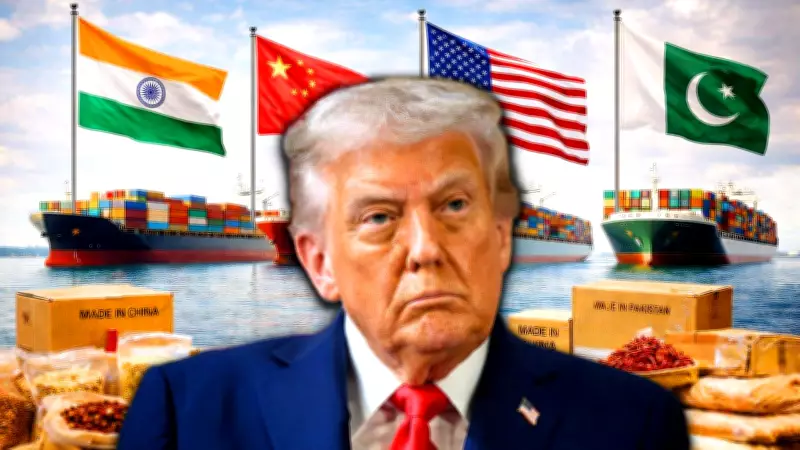
The administration of President Donald Trump has initiated a sweeping new trade investigation targeting 60 economies worldwide, with India prominently included on the list. Announced by US Trade Representative Jamieson Greer, this probe will scrutinize whether these nations are implementing adequate measures to prevent the importation of goods produced through forced labor.
Scope and Legal Framework of the Investigation
This significant trade action is being conducted under the authority of Section 301 of the Trade Act of 1974. This powerful US trade law empowers the government to investigate and respond to foreign trade practices deemed unfair or harmful to American commercial interests. The investigation will involve comprehensive procedures, including public hearings, and may ultimately lead to the imposition of specific trade measures against non-compliant countries.
The list of nations under scrutiny is extensive and includes major global players. Alongside India, it features economic heavyweights such as China and Russia, as well as other significant manufacturing hubs like Bangladesh. This broad scope indicates a concerted effort by the US to address forced labor concerns across multiple supply chains and regions simultaneously.

Context and Strategic Implications
The launch of this probe occurs at a critical juncture for international trade. Global supply chains are facing unprecedented levels of scrutiny regarding ethical and labor standards. Furthermore, the Trump administration is actively seeking new mechanisms to enforce trade regulations, particularly following recent tariff disputes that have escalated to the level of the US Supreme Court.
This investigation represents a strategic pivot towards leveraging trade policy to combat labor abuses internationally. By focusing on forced labor in imports, the US aims to protect domestic industries from competing with unfairly produced goods while promoting higher ethical standards in global commerce. The inclusion of so many diverse economies suggests this is a coordinated effort to reshape international trade norms rather than an isolated action against a single country.
The outcomes of this Section 301 investigation could have substantial repercussions for international trade relations, potentially affecting market access and diplomatic ties between the United States and the targeted nations, including India.