US Slashes Tariffs on India to 18 Percent: Full List of New Duties on China, Pakistan, EU
In a significant move impacting global trade dynamics, the United States has announced a reduction in tariffs on imports from India, lowering them to 18 percent. This decision marks a notable shift in trade policy under the Trump administration, aiming to recalibrate economic relationships with key partners worldwide.
Updated Tariff Structure for Major Trading Partners
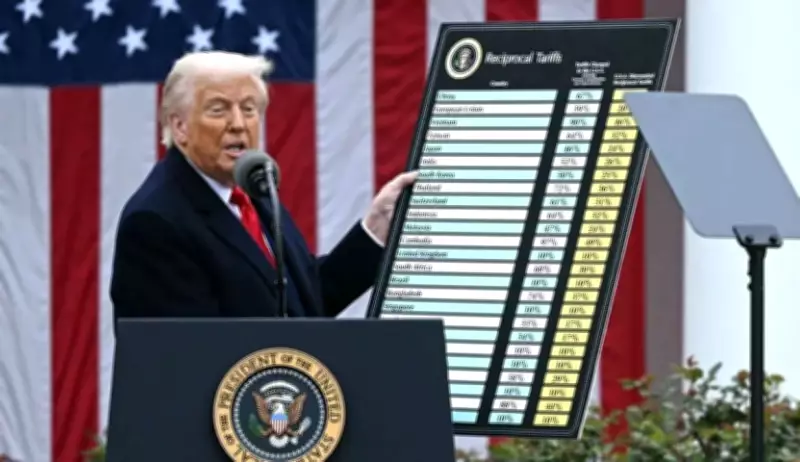
The revised tariff list includes adjustments for several countries, reflecting the US government's strategic approach to international commerce. Alongside India, duties on imports from China, Pakistan, and the European Union have been modified, potentially influencing bilateral trade flows and market access.
Key highlights of the new tariff rates include:

- India: Tariffs reduced to 18 percent, signaling a potential easing of trade tensions and fostering closer economic ties.
- China: Duties remain elevated, with specific sectors facing higher rates as part of ongoing trade negotiations and policy measures.
- Pakistan: Updated tariffs reflect current trade relations, with adjustments aimed at balancing economic interests and diplomatic considerations.
- European Union: Modified duties on various goods, impacting transatlantic trade and aligning with broader trade agreement discussions.
Implications for Global Trade and Indian Economy
This tariff reduction for India could enhance export opportunities for Indian businesses, particularly in sectors like textiles, pharmaceuticals, and information technology. By lowering barriers to entry, the US market may become more accessible, potentially boosting India's export revenues and strengthening bilateral trade relations.
Analysts suggest that this move might encourage other countries to reevaluate their trade policies with India, fostering a more favorable environment for international commerce. However, the broader impact on global trade patterns remains to be seen, as other nations adjust their strategies in response to these changes.
Broader Context and Future Outlook
The adjustment in US tariffs is part of a larger trend of recalibrating trade policies under the Trump administration. These changes are often driven by a mix of economic, political, and strategic factors, aiming to protect domestic industries while engaging with global partners.
Looking ahead, stakeholders in India and other affected countries will closely monitor how these tariff adjustments influence trade volumes, investment flows, and diplomatic relations. The full list of duties provides a clear framework for businesses to navigate the evolving trade landscape, emphasizing the importance of staying informed about policy developments.