Trump Issues Stark Warning to Canada Over Potential China Trade Pact
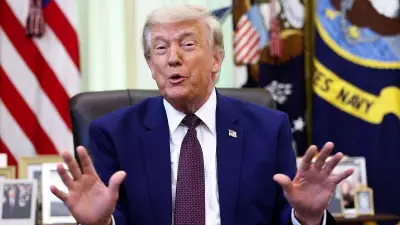
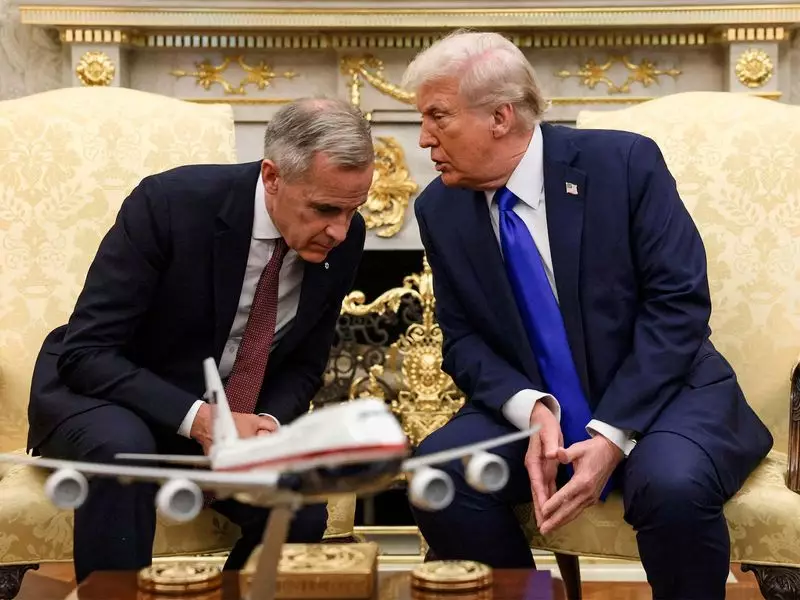
In a dramatic escalation of international trade rhetoric, former United States President Donald Trump has issued a severe threat against Canada, warning of imposing 100% tariffs on Canadian goods if the nation proceeds with a trade agreement with China. This warning was highlighted by Governor Carney, bringing renewed attention to the volatile dynamics of global economic relations.
Details of the Threat and Its Implications
The threat, as reported, underscores Trump's longstanding hardline stance on trade policies, particularly concerning China. According to sources, Trump stated that "China will eat Canada alive" if Ottawa engages in a deal with Beijing, suggesting that such a move would be detrimental to Canada's economic interests. The proposed tariffs would represent a significant punitive measure, potentially crippling cross-border trade between the US and Canada, which is one of the largest bilateral trading relationships in the world.
This development comes amid ongoing tensions between the US and China, with Trump's administration having previously imposed various tariffs during his presidency. The warning to Canada signals a potential expansion of these trade wars, affecting allies and partners. Analysts note that such threats could destabilize North American economic stability and strain diplomatic ties within the region.

Reactions and Broader Context
Governor Carney's revelation of this threat has sparked concerns among policymakers and trade experts. Many view it as a reflection of Trump's "America First" agenda, which prioritizes US economic interests over international cooperation. The potential for 100% tariffs raises alarms about increased costs for consumers, disruptions in supply chains, and retaliatory measures from affected countries.
In the broader context, this incident highlights the fragile nature of global trade agreements and the influence of political leadership on economic policies. As countries navigate post-pandemic recovery and geopolitical shifts, such threats could prompt nations like Canada to reassess their trade strategies and alliances. The situation underscores the importance of diplomatic dialogue and multilateral frameworks in mitigating trade conflicts.
Looking ahead, the outcome of this warning may depend on future political developments, including potential changes in US leadership. Stakeholders are advised to monitor these events closely, as they could have far-reaching implications for international trade, investment flows, and economic growth in the coming years.