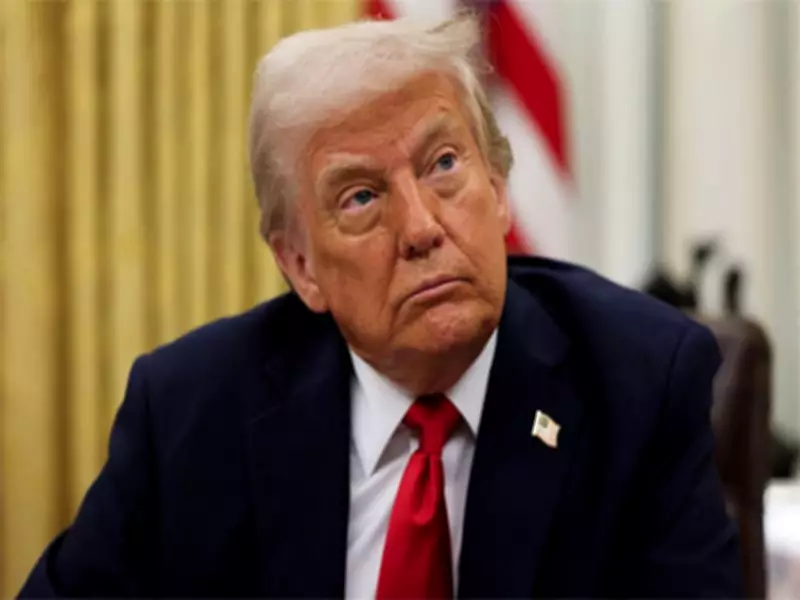
Trump Issues Sweeping Executive Order for Universal 10% Tariff
In a bold and unprecedented move, former United States President Donald Trump has officially signed an executive order that mandates a comprehensive 10% tariff on all imports entering the country from every nation across the globe. This decisive action represents a major escalation in trade policy, fundamentally altering the landscape of international commerce and economic relations.
Details of the Executive Order and Its Immediate Implications
The executive order, signed by Trump, establishes a flat 10% tariff rate that applies uniformly to all goods and products imported into the United States, regardless of their country of origin. This policy marks a stark departure from previous trade agreements and bilateral arrangements, which often featured differentiated tariff structures based on specific nations or trade blocs. The order is set to take effect immediately, with the Trump administration citing the need to protect American industries, boost domestic manufacturing, and address perceived trade imbalances as the primary motivations behind this sweeping measure.
Economic analysts and trade experts have expressed deep concerns regarding the potential repercussions of this universal tariff. They warn that such a policy could trigger widespread retaliatory measures from other countries, leading to a global trade war that might destabilize international markets and hinder economic growth worldwide. The imposition of a 10% tariff on all imports is expected to increase costs for American consumers and businesses that rely on foreign goods, potentially resulting in higher prices for a wide range of products, from electronics and automobiles to clothing and agricultural items.

Global Reactions and the Future of International Trade
Reactions from global leaders and international trade organizations have been swift and largely critical. Many countries have condemned the move as protectionist and contrary to the principles of free trade that have underpinned the global economy for decades. Key trading partners, including the European Union, China, and Canada, have indicated that they are considering or preparing countermeasures in response to the US tariff hike, raising the specter of escalating trade tensions and potential disruptions to supply chains.
The long-term implications of this executive order are profound and far-reaching. By imposing a uniform tariff on all nations, the Trump administration is effectively challenging the existing framework of international trade agreements, such as those overseen by the World Trade Organization (WTO). This action could prompt a reevaluation of global trade rules and alliances, potentially leading to a more fragmented and contentious international economic environment. As the situation develops, stakeholders from governments to businesses will be closely monitoring the impacts on trade flows, economic stability, and diplomatic relations.