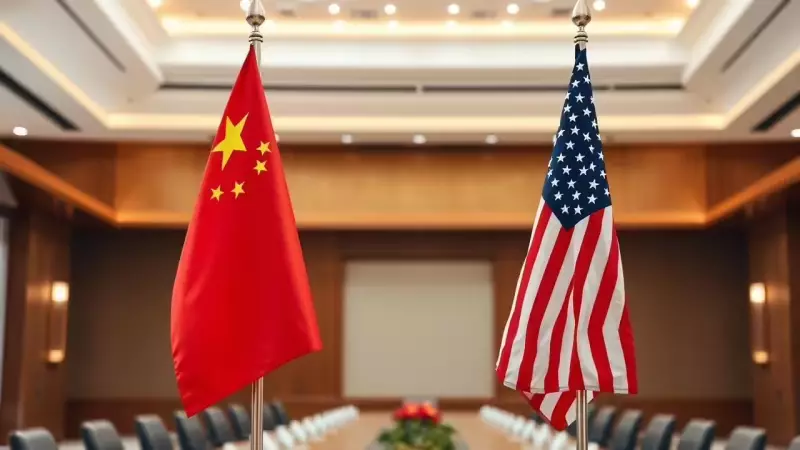
The Trump administration has initiated a comprehensive compliance investigation into China's implementation of the Phase One trade deal signed in January 2020, raising serious questions about Beijing's commitment to purchasing American goods and services.
Scrutinizing China's Purchase Commitments
According to official sources, the probe focuses specifically on whether China has fulfilled its promise to buy an additional $200 billion worth of US products and services over the 2020-2021 period. The investigation comes as data suggests Beijing is significantly behind schedule on meeting these purchase targets.
Trade Deal Under Performance Pressure
The landmark trade agreement, signed amid great fanfare earlier this year, was supposed to mark a new chapter in US-China economic relations. However, recent trade figures indicate China's purchases of American agricultural products, manufactured goods, and energy resources have fallen substantially short of the agreed-upon benchmarks.

Key areas under scrutiny include:
- Agricultural product purchases including soybeans and pork
- Manufactured goods and industrial equipment
- Energy exports including liquefied natural gas
- Services ranging from financial to cloud computing
Economic and Political Implications
The compliance probe arrives at a critical juncture in US-China relations, with tensions already running high over technology transfers, intellectual property rights, and geopolitical issues. Administration officials emphasize that holding China accountable for its trade commitments remains a top priority.
"This investigation sends a clear message that the United States will not tolerate half-hearted implementation of trade agreements," noted a senior trade official familiar with the matter.
Global Trade Ramifications
The outcome of this compliance investigation could have far-reaching consequences for global trade patterns and international economic relations. Many trading partners are closely watching how the world's two largest economies navigate these trade disputes.
Market analysts suggest that failure to resolve these compliance issues could lead to renewed trade tensions and potential tariff escalations, creating uncertainty for businesses and investors worldwide.