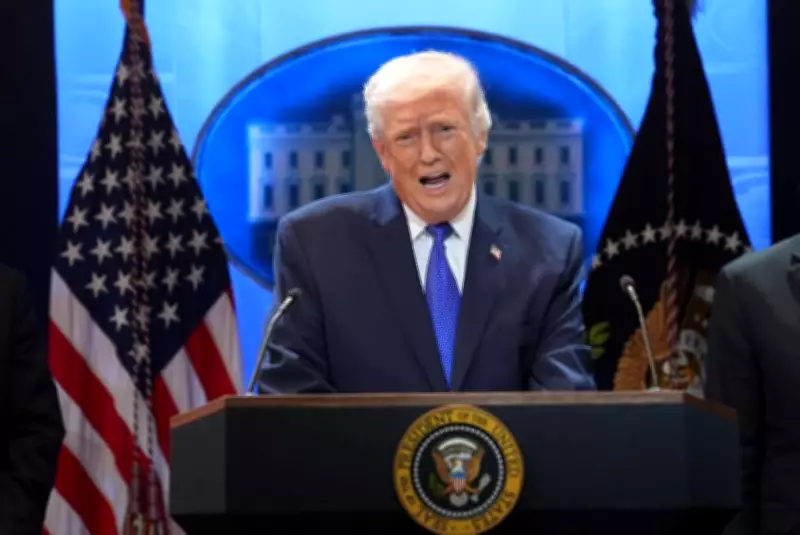
Trump Imposes Sweeping 10% Global Tariff via Executive Order
In a significant move impacting international commerce, former United States President Donald Trump has officially signed an executive order that mandates a comprehensive 10% tariff on all imports entering the country from across the globe. The announcement, made on February 21, 2026, marks a dramatic shift in US trade policy, with Trump emphasizing that the new tariff regime will take effect almost immediately, signaling a rapid implementation timeline that could disrupt global supply chains and economic relations.
Details of the Executive Order and Its Immediate Impact
The executive order, which Trump described as a measure to bolster American economic interests and protect domestic industries, applies uniformly to goods imported from all nations, without exceptions for traditional allies or trading partners. This blanket approach represents a departure from previous tariff policies that often targeted specific countries or products. According to sources, the order is designed to be implemented swiftly, with administrative procedures set to begin within days, potentially leading to increased costs for consumers and businesses reliant on foreign goods.
Key aspects of the tariff order include:

- A flat 10% rate imposed on all imported products, regardless of origin.
- An effective date that is nearly immediate, with enforcement expected to commence shortly after signing.
- Provisions for potential adjustments based on economic assessments, though no specific criteria were disclosed.
Global Reactions and Economic Implications
The announcement has already sparked concerns among international trade experts and foreign governments, who warn that such a broad tariff could trigger retaliatory measures and escalate trade tensions worldwide. Economists predict that the 10% levy may lead to higher prices for a wide range of goods in the US, from electronics to automobiles, while also affecting export-dependent economies abroad. In response, some nations have indicated they may challenge the move through international trade bodies or negotiate bilateral agreements to mitigate its impact.
Analysts note that this decision aligns with Trump's longstanding advocacy for protectionist trade policies, reminiscent of measures taken during his previous presidency. However, the scale and immediacy of this order are unprecedented, raising questions about its long-term sustainability and potential legal challenges. The global business community is closely monitoring developments, with many companies preparing for potential disruptions in logistics and increased operational costs.
Political and Domestic Context
Domestically, the tariff order has drawn mixed reactions, with supporters praising it as a step toward reducing trade deficits and revitalizing American manufacturing, while critics argue it could harm consumers and strain diplomatic relations. The move comes amid a broader political landscape where trade policy remains a contentious issue, and it may influence upcoming economic debates and legislative actions. As the situation unfolds, stakeholders are urging for clarity on implementation details and any exemptions that might be considered to soften the blow on critical industries.