

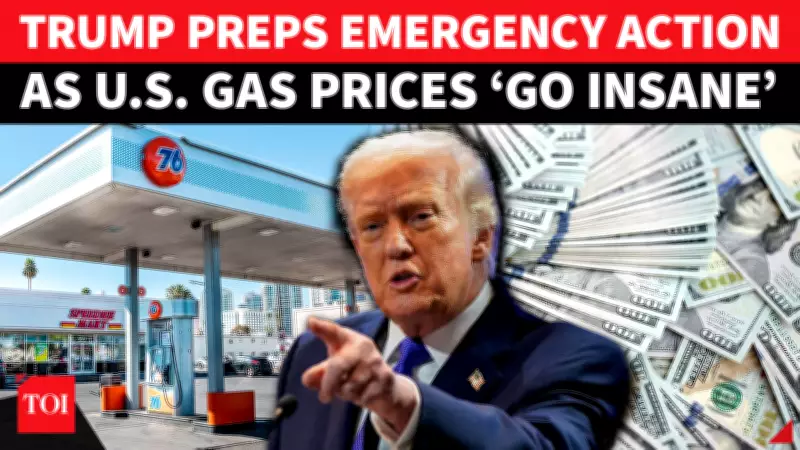
Could the next trip to the pump in the United States be 18 cents cheaper? Energy Secretary Chris Wright has signaled that the Trump administration is officially considering a federal gas tax holiday. With gas prices up over 50 percent since the Iran war began and California drivers paying $6 a gallon, Washington is looking for a quick fix. However, with the war in Hormuz showing no signs of ending, questions remain about whether a temporary tax cut will be enough to save the American summer road trip.
Rising Fuel Costs and Economic Pressure
The surge in gas prices has been driven largely by the ongoing conflict in the Strait of Hormuz, a critical chokepoint for global oil shipments. Since the outbreak of hostilities, crude oil prices have skyrocketed, pushing retail fuel costs to historic highs. In California, drivers are facing the highest prices in the nation, with some stations exceeding $6 per gallon. This has placed immense strain on households and businesses, particularly as the summer travel season approaches.
Proposed Federal Gas Tax Holiday
Energy Secretary Chris Wright indicated that the White House is evaluating a suspension of the federal gasoline tax, which currently stands at 18.4 cents per gallon. A holiday would temporarily eliminate this levy, providing immediate relief at the pump. Wright emphasized that the measure is part of a broader strategy to combat inflation and support American consumers. However, the policy would require congressional approval, and its duration remains uncertain.

Challenges and Criticism
Critics argue that a gas tax holiday is a short-term solution that does not address the root causes of price increases. The conflict in the Middle East continues to disrupt supply chains, and any lasting relief would depend on a diplomatic resolution. Additionally, some economists warn that suspending the tax could reduce funding for highway infrastructure projects. The administration has not yet provided details on how it would offset the revenue loss.
Broader Implications for the Economy
The potential tax cut comes amid broader economic concerns, including rising inflation and geopolitical instability. The Biden administration had previously rejected similar proposals, but the Trump team appears more willing to intervene directly. The move could boost consumer confidence and spending, but it may also be seen as a political maneuver ahead of upcoming elections. As the situation in Hormuz evolves, all eyes are on Washington for further action.






