Latin America Fights Back Against Flood of Cheap Chinese Goods to Protect Industries
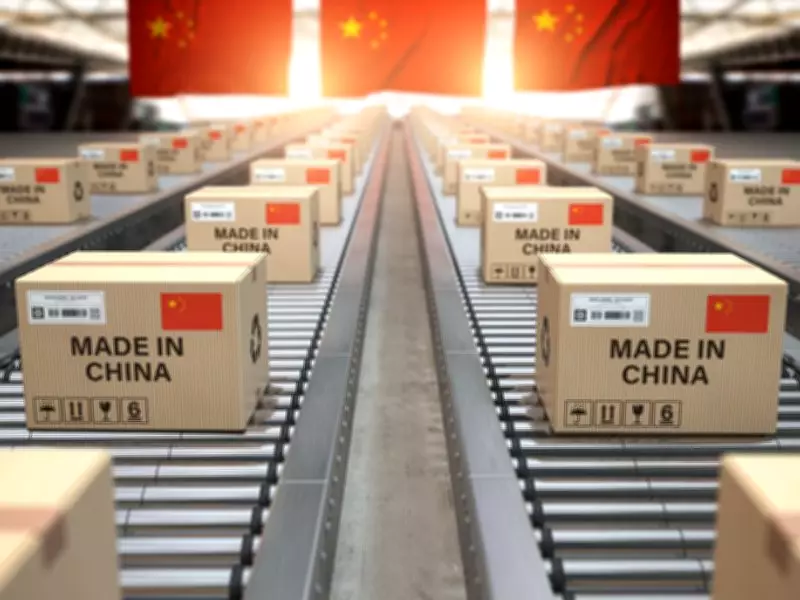
In a significant economic development, Latin American countries are actively pushing back against the overwhelming influx of inexpensive Chinese products that have been flooding their markets. This surge in imports from China has created intense pressure on local industries, prompting governments across the region to implement robust measures aimed at safeguarding domestic manufacturing and preserving jobs. The situation highlights a growing global trade tension, with Latin America emerging as a key battleground in the struggle to balance international commerce with national economic interests.
Rising Concerns Over Import Surge
The deluge of cheap Chinese goods into Latin America has been accelerating in recent years, driven by China's massive production capabilities and competitive pricing strategies. This influx spans a wide range of sectors, including electronics, textiles, machinery, and consumer goods, often undercutting local producers who struggle to match the low costs. As a result, many domestic industries in countries like Brazil, Mexico, and Argentina are facing severe challenges, with some on the brink of collapse due to the inability to compete effectively. The economic strain is not limited to large corporations; small and medium-sized enterprises are particularly vulnerable, leading to widespread job losses and reduced industrial output.
Government Responses and Protective Measures
In response to this crisis, Latin American governments are deploying a variety of trade tools to counteract the impact. Key measures include the imposition of higher tariffs on Chinese imports, the introduction of anti-dumping duties, and the enforcement of stricter quality controls and regulatory standards. For instance, Brazil has recently increased tariffs on certain Chinese products to level the playing field for local manufacturers, while Mexico has launched investigations into alleged unfair trade practices. These actions are part of a broader strategy to create a more balanced trade environment, reduce dependency on foreign goods, and stimulate domestic production. Additionally, some nations are exploring regional trade agreements to bolster intra-Latin American commerce as an alternative to relying heavily on Chinese imports.

Implications for Global Trade and Future Outlook
The fightback by Latin America against cheap Chinese goods carries significant implications for global trade dynamics. It underscores the increasing friction in international commerce, as countries seek to protect their economic sovereignty amid globalization pressures. While these protective measures may provide short-term relief for local industries, they also risk escalating trade tensions with China, potentially leading to retaliatory actions that could harm bilateral relations. Looking ahead, the region faces the challenge of finding a sustainable balance between embracing global trade opportunities and shielding its industries from unfair competition. Experts suggest that long-term solutions may involve investing in innovation, improving productivity, and diversifying trade partners to build a more resilient economic framework.
In summary, Latin America's proactive stance against the flood of cheap Chinese goods marks a critical moment in its economic policy, driven by the urgent need to protect industries and jobs. As the region navigates this complex trade landscape, the outcomes will likely influence not only local economies but also broader patterns of international commerce in the years to come.