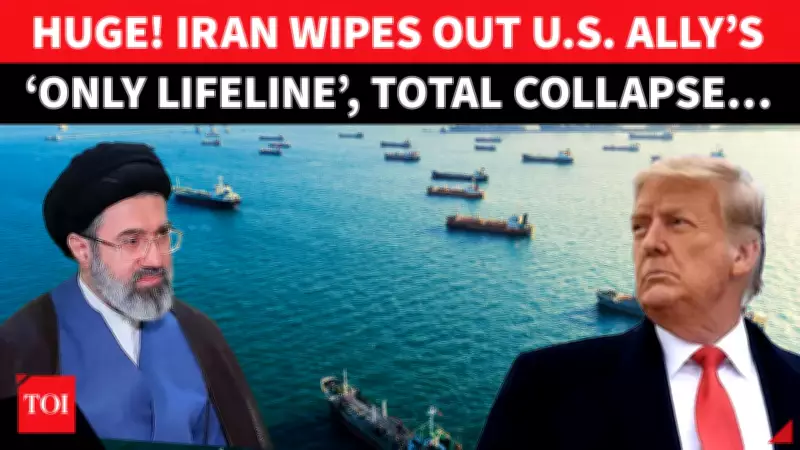
Kuwait, a longstanding cornerstone oil exporter in the Gulf, recorded zero crude oil exports in April 2026, a historic first since the aftermath of the 1991 Gulf War, according to ship-tracking data from TankerTrackers. While the country continues to pump oil, barrels have been diverted into storage or conversion into refined products, with none departing for global markets amid the ongoing maritime disruption tied to the Iran war and constraints on traffic through Hormuz.
Historic Drop in Exports
The complete halt in exports marks an unprecedented event for Kuwait, which has been a major player in the global oil market for decades. The last time the nation saw such a low was in the wake of the Gulf War, when its oil infrastructure was severely damaged. Now, the standoff between the United States and Iran in the strategic Strait of Hormuz has effectively choked off Kuwait's ability to ship crude to international buyers.
Impact of US-Iran Tensions
The ongoing conflict between Washington and Tehran has led to heightened military presence and restrictions in the Hormuz waterway, through which about 20% of the world's oil passes. TankerTrackers data indicates that Kuwaiti crude is being redirected to storage facilities or processed into refined products domestically, as no tankers have departed with crude cargoes since the beginning of April.

This development comes amid a series of escalations in the region, including Iran's deployment of naval assets and threats to block the strait. The United States has responded by reinforcing its military presence and imposing new sanctions. The standoff has sent shockwaves through global energy markets, with oil prices spiking as traders factor in supply disruptions.
Global Repercussions
The zero-export figure for Kuwait is a stark indicator of the severity of the crisis. Analysts warn that if the situation persists, other Gulf producers may face similar constraints, potentially leading to a global supply shortage. Kuwait's decision to store or refine crude domestically provides a temporary buffer, but long-term storage capacity is limited.
The standoff has also drawn in other nations, with Jordan launching airstrikes in southern Syria targeting smuggling networks, and Iran issuing ultimatums to the Trump administration. The United States has used emergency powers to expedite weapons deliveries to Middle East allies, further escalating tensions.
Conclusion
As the US-Iran standoff continues, Kuwait's oil exports have ground to a halt, underscoring the fragility of global energy supply chains. The coming weeks will be critical in determining whether diplomatic solutions can be found or if the region will slide further into conflict.