India's proposed free trade agreement (FTA) with the United Kingdom has encountered a significant roadblock, primarily over the contentious issue of steel tariffs. The deal, which was expected to be finalized soon, is now facing delays as both nations grapple with divergent positions on the reduction of import duties on steel products.
Steel Tariff Stalemate
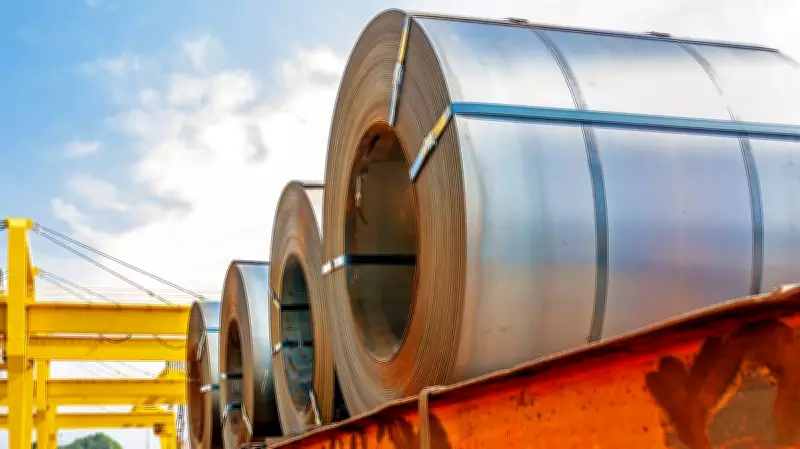
The core of the dispute lies in the UK's demand for lower tariffs on its steel exports to India, while India seeks protection for its domestic steel industry. Indian steelmakers have expressed concerns that a sharp reduction in tariffs could lead to a surge in imports, potentially harming local producers. The UK, on the other hand, views the steel sector as a key area for boosting its exports and creating jobs.
Impact on Trade Negotiations
The deadlock over steel has stalled progress on other aspects of the FTA, including market access for goods and services, intellectual property rights, and investment rules. Both countries had initially aimed to conclude the negotiations by the end of 2023, but the steel issue has pushed the timeline further. The delay has raised questions about the overall viability of the agreement, which was seen as a major post-Brexit trade win for the UK.

Stakeholder Reactions
Indian steel industry bodies have welcomed the government's cautious stance, emphasizing the need to safeguard domestic interests. They argue that any tariff reduction must be phased and linked to safeguards against unfair trade practices. In contrast, British exporters and trade associations have urged their government to push for a more ambitious deal, warning that prolonged negotiations could erode competitive advantages.
Broader Implications
The steel hurdle is not the only challenge facing the India-UK FTA. Other sensitive areas include rules of origin, data localization, and visa liberalization for professionals. However, resolving the steel issue is seen as critical to unlocking progress. If an agreement is reached, it could significantly boost bilateral trade, which currently stands at around $50 billion annually.
Negotiators from both sides are scheduled to meet in the coming weeks to try to bridge the gap. Analysts believe that a compromise may involve a gradual tariff reduction schedule with built-in safeguard mechanisms. The outcome of these talks will determine whether the FTA can be signed before the UK's general elections, which are expected later this year.