A remarkable discovery in Thailand's Chaiyaphum province has unveiled a previously unknown dinosaur species. A local villager stumbled upon massive bones protruding from the ground during a walk in the countryside, prompting a team of paleontologists to excavate the site. The fossil remains belonged to a giant plant-eating dinosaur, now named Nagatitan chaiyaphumensis.
Giant Sauropod from the Cretaceous
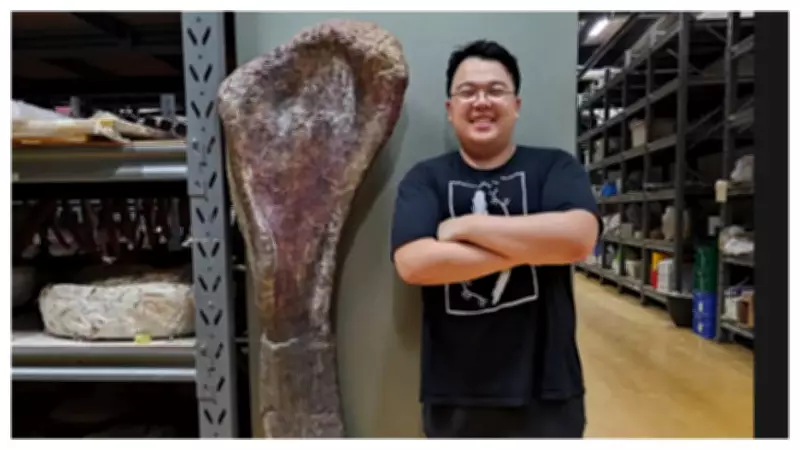
This newly identified dinosaur is a member of the sauropod family, characterized by long necks, tails, and sturdy legs. Nagatitan chaiyaphumensis lived approximately 113 million years ago during the early Cretaceous period. It reached an impressive length of nearly 90 feet and weighed as much as five to six adult elephants, based on an analysis of a six-foot-long leg bone.
Unique Skeletal Features
The excavation yielded a substantial portion of the skeleton, including vertebrae, ribs, and pelvis, though the skull and teeth were absent. Notably, the bones exhibited a honeycomb-like internal structure, filled with air pockets that reduced weight while maintaining strength. This adaptation is typical of some sauropods and aided in supporting their massive bodies.

Ancient Environment and Lifestyle
During the time of Nagatitan chaiyaphumensis, Thailand experienced a warm, dry climate with forests and shrublands. The dinosaur likely fed on ferns and conifers, swallowing vast quantities of vegetation without chewing to obtain energy. Its enormous size provided protection against predators; even the largest carnivores of the era would have hesitated to attack such a colossal creature.
Significance of the Discovery
This find sheds light on dinosaur evolution during a period of global warming, which may have contributed to the gigantism of sauropods. The name Nagatitan derives from a mythical serpent-like creature in Thai folklore, reflecting the dinosaur's legendary proportions. With this addition, Thailand now boasts 14 recognized dinosaur species, marking an exciting milestone for paleontology in the region.