India-EU Free Trade Agreement: A Comprehensive Analysis of Benefits and Implications
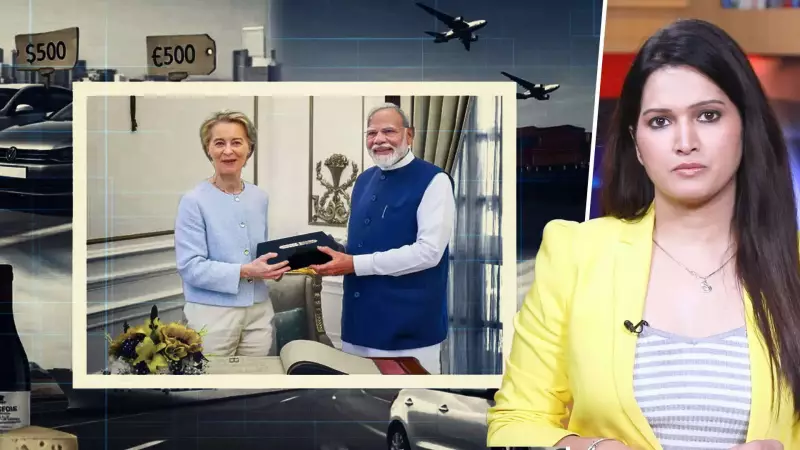
The long-awaited India-European Union Free Trade Agreement, often referred to as the "mother of all deals," has finally materialized after years of meticulous negotiations. This historic pact is poised to reshape trade dynamics between India and the European Union, delivering tangible benefits to Indian consumers and businesses alike.
What Gets Cheaper for Indian Consumers?
One of the most immediate impacts of the India-EU FTA will be the reduction in import duties on a wide range of European goods. This is expected to make several high-value products more affordable for Indian consumers.
- Luxury and Electric Vehicles: Import duties on EU-manufactured vehicles are set to decline significantly, potentially lowering the prices of luxury cars and electric vehicles in the Indian market.
- High-End Machinery and Equipment: The cost of advanced machinery, aircraft components, and sophisticated medical devices imported from Europe is likely to decrease, benefiting various Indian industries.
- Electronics and Components: Indian manufacturers and consumers can expect more competitive pricing on electronics and critical components sourced from the EU.
Importantly, the agreement has been structured to insulate domestic and budget segments from adverse effects, ensuring that local industries remain protected.

Who Gains from the India-EU FTA?
The benefits of this trade deal extend beyond consumers to encompass a broad spectrum of Indian exporters and the overall economy.
- Indian Exporters: Businesses across key sectors will gain enhanced access to the lucrative European market. This includes exporters of textiles, apparel, electronics, jewellery, chemicals, and pharmaceuticals.
- Indian Industry: By lowering the cost of essential imports like machinery and components, the FTA will improve the competitiveness of Indian manufacturing and service sectors.
- Indian Farmers: In a crucial move, the agreement excludes sensitive agricultural and dairy products, thereby safeguarding the interests of Indian farmers from potential import surges.
Why This Deal Matters to Indian Consumers and the Economy
The India-EU Free Trade Agreement represents a strategic milestone with far-reaching implications.
Economists highlight that the pact is designed to deepen value-chain integration between India and the EU, rather than undermining domestic producers. This approach fosters collaborative growth and technological exchange.
In an era marked by rising protectionism and global trade realignment, the India-EU FTA serves as a critical anchor for India's position in the international economic landscape. It not only promises immediate economic gains but also strengthens India's long-term trade partnerships and geopolitical standing.
For Indian consumers, the deal translates into greater choice and affordability for premium European products, while for businesses, it opens doors to one of the world's largest consumer markets, driving export-led growth and job creation.