Carbon Tax Unchanged in India-EU Free Trade Agreement Negotiations
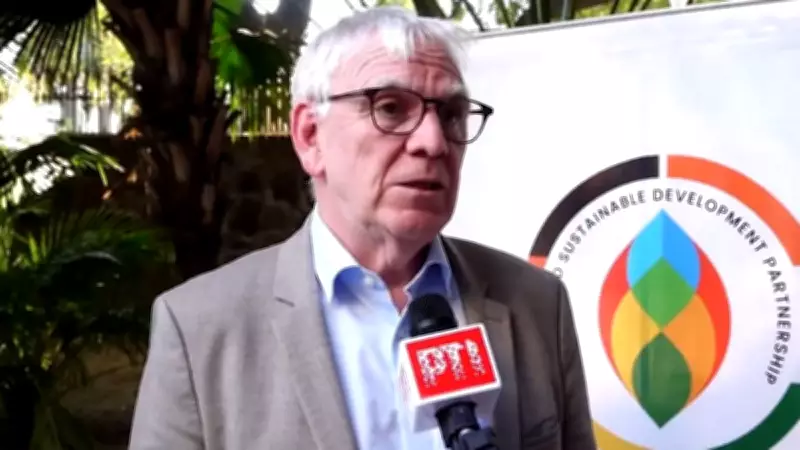
In a significant development for international trade and climate policy, the carbon tax provisions within the India-European Union Free Trade Agreement (FTA) negotiations have been confirmed to remain intact. According to a German official, technical talks are now being planned to address specific concerns raised by India regarding the implementation and impact of these measures.
EU's Carbon Border Adjustment Mechanism Enters Definitive Phase
The European Union's Carbon Border Adjustment Mechanism (CBAM), which officially entered its definitive financial phase in January 2026, is a cornerstone of the EU's climate strategy. This mechanism imposes charges on embedded carbon emissions in imports from key industrial sectors. The affected sectors include iron and steel, aluminium, cement, and other carbon-intensive industries, aiming to level the playing field for EU producers who are subject to stringent domestic carbon pricing regulations.
This move is part of broader global efforts to combat climate change by incentivizing lower-carbon production methods worldwide.

Technical Discussions to Address Indian Concerns
While the carbon tax framework remains unchanged in the FTA, the German official highlighted that technical-level discussions will be initiated to tackle India's apprehensions. These concerns primarily revolve around the potential economic impact on Indian exporters, compliance costs, and the alignment of CBAM with India's own climate policies and development goals.
The talks are expected to focus on:
- Mechanisms for calculating embedded carbon emissions in imported goods.
- Provisions for exemptions or adjustments based on India's domestic carbon reduction initiatives.
- Technical assistance and capacity-building support to help Indian industries adapt to the new requirements.
- Ensuring transparency and fairness in the implementation process to avoid trade disputes.
Implications for India-EU Trade Relations
The retention of the carbon tax in the FTA underscores the EU's commitment to its climate agenda, even as it seeks to strengthen trade ties with India. For India, this presents both challenges and opportunities. On one hand, sectors like steel and aluminium may face increased costs and competitive pressures in the EU market. On the other hand, it could accelerate India's transition to greener technologies and enhance its global standing in climate action.
Experts suggest that successful technical talks could pave the way for a more balanced agreement that supports sustainable development while fostering robust bilateral trade.
As negotiations progress, stakeholders from both sides will be closely monitoring these discussions, which are crucial for finalizing an FTA that aligns economic interests with environmental responsibilities. The outcome could set a precedent for how carbon pricing is integrated into future international trade agreements globally.