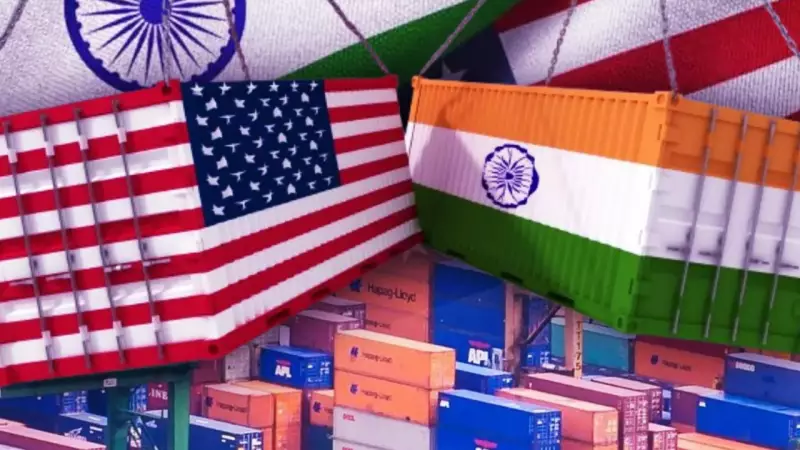
A recent claim by a senior US official that a stalled trade agreement between India and the United States was due to a missed personal phone call from Prime Minister Narendra Modi has been strongly contested by an Indian economic think tank. The Global Trade Research Initiative (GTRI) stated that this narrative does not withstand scrutiny and diverts attention from the substantive policy disagreements at the heart of the prolonged negotiations.
The Controversial Claim and Its Timeline
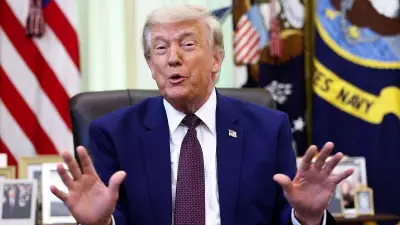
In an interview on the All-In Podcast on January 8, US Commerce Secretary Howard Lutnick suggested that a long-pending trade deal failed to materialize because Prime Minister Modi did not personally call then US President Donald Trump to finalize talks. Lutnick implied that by the time Modi agreed to make the call, the US administration had shifted its focus, concluding trade pacts with Indonesia, Vietnam, and the Philippines around July 2025, thereby leaving India out.
GTRI's Counter-Arguments and Fact-Check
The GTRI report, released on a Friday, systematically dismantles this assertion. It points out that official-level negotiations between India and the US on critical issues like market access, tariffs, and regulatory standards continued actively for months after the US sealed deals with the other Asian nations.

"If the absence of a leader-level phone call had decisively ended the negotiations in mid-2025, there would have been little reason for both sides to continue talks for months thereafter," the report argued. It characterized Lutnick's explanation as more of a retrospective justification than a contemporaneous reason for the deadlock.
The Core Issue: Structural Disagreements Over Symbolism
GTRI emphasized that framing the impasse as a failure of personal diplomacy misunderstands the complex nature of major trade agreements. The think tank noted that such deals hinge on hard-won convergence over substantive policy matters, not symbolic gestures between leaders.
The key sticking points, according to the analysis, include:
- Tariff reductions on various goods
- Sensitive agricultural market access
- Rules governing digital trade and data flows
- Questions of regulatory autonomy and standards
The report concluded that the prolonged delay fundamentally reflects these unresolved structural and policy disagreements. It warned that oversimplifying the issue into a tale of a missed phone call risks trivializing one of the most significant trade relationships in the global economy, shifting focus away from the real work needed to find common ground.