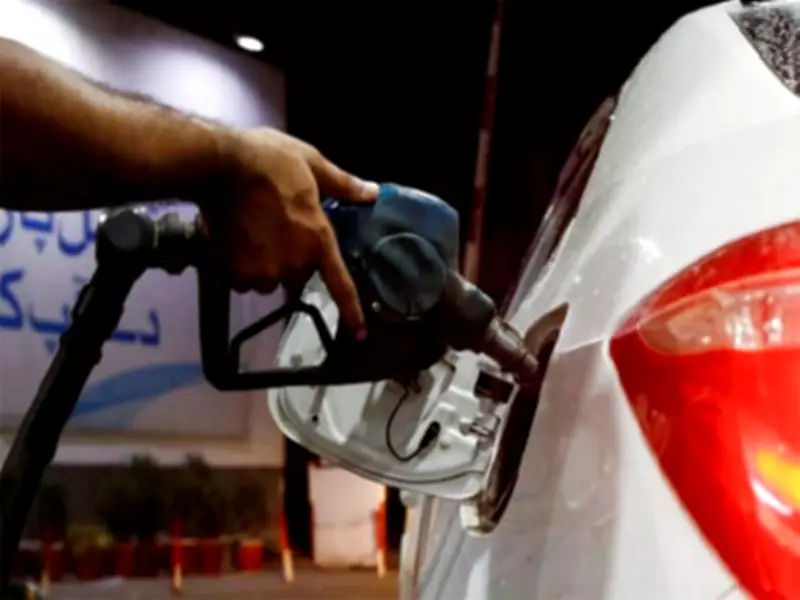
Pakistan is facing a deepening economic crisis as a new fuel levy has sparked widespread public anger. The government's decision to increase the levy on petrol and diesel has led to a sharp rise in transportation costs, exacerbating the already high inflation that is squeezing households across the country.
Public Outrage Over Fuel Levy
The fuel levy, imposed as part of an agreement with the International Monetary Fund (IMF), has pushed petrol prices to record highs. Citizens have taken to the streets in protest, demanding the government reverse the decision. Many argue that the levy is unsustainable, as it further strains their budgets amid rising food and utility costs.
Impact on Daily Life
The price hike has had a cascading effect on various sectors. Public transport fares have increased, and the cost of essential goods has risen due to higher logistics expenses. Small business owners report declining sales as consumers cut back on spending. The agricultural sector, heavily reliant on fuel for irrigation and transportation, is also feeling the pinch.

Government's Stance
Officials defend the levy, stating it is necessary to meet IMF conditions for a bailout package. They argue that without the levy, the country would face a balance of payments crisis. However, critics say the government has failed to provide adequate relief measures for the poor, who are most affected by the price surge.
Economic Indicators Worsen
Pakistan's inflation rate has soared to over 30%, the highest in decades. The central bank has raised interest rates to curb inflation, but this has slowed economic growth. The fuel levy is expected to add further pressure, with analysts predicting a slowdown in economic activity and increased hardship for millions.
International Pressure
The IMF has urged Pakistan to implement structural reforms to stabilize its economy. While the fuel levy is a step in that direction, it has come at a political cost. The government faces mounting criticism from opposition parties and civil society groups, who accuse it of bowing to external pressures without considering domestic realities.
Looking Ahead
With no immediate end in sight to the crisis, Pakistan's government is under pressure to find a balance between meeting IMF demands and protecting its citizens. The fuel levy shock has deepened public anger, and the government's ability to manage the fallout will be crucial in the coming months.