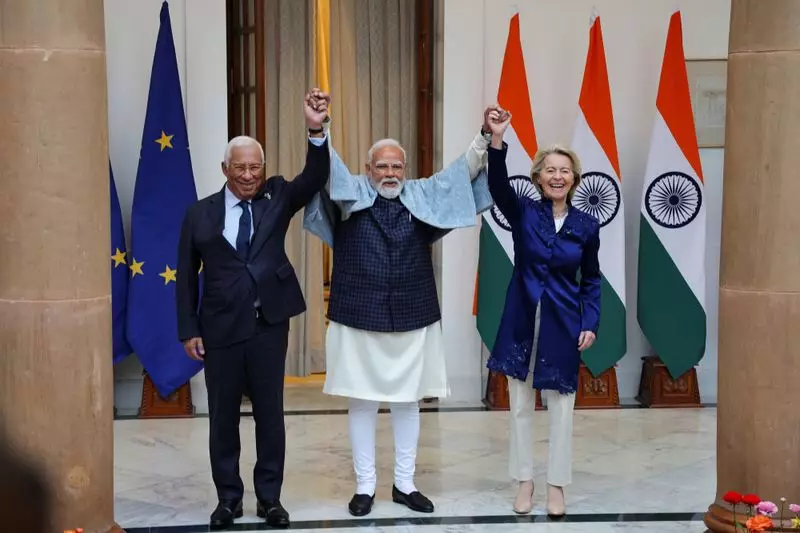
The European Union is embarking on a significant strategic shift as it actively seeks to forge new trade partnerships across the globe. This move comes at a critical juncture, with the bloc responding to evolving economic dynamics and external pressures that are reshaping international commerce.
Driving Forces Behind the EU's Trade Initiative
Several key factors are compelling the European Union to expand its network of trade agreements. Geopolitical uncertainties, including tensions with major powers and regional conflicts, have highlighted the risks of over-reliance on specific markets. Additionally, the COVID-19 pandemic exposed vulnerabilities in global supply chains, prompting a reevaluation of trade dependencies.
Economic Diversification as a Priority
By pursuing diverse trade partnerships, the EU aims to enhance economic resilience and secure access to essential resources. This strategy involves engaging with emerging economies in Asia, Africa, and Latin America, while also strengthening ties with traditional allies. The goal is to create a more balanced and sustainable trade ecosystem that can withstand future shocks.

Potential Impact on Global Trade Dynamics
The European Union's proactive approach could significantly influence international trade patterns. New agreements may lead to increased market access for EU businesses, fostering growth and innovation. Conversely, they might also intensify competition in certain sectors, requiring adaptation from domestic industries.
Challenges and Opportunities Ahead
While the pursuit of new partnerships presents opportunities, it is not without challenges. Negotiating complex trade deals involves navigating differing regulatory standards, environmental concerns, and labor practices. The EU must balance its economic interests with commitments to sustainability and human rights, which are central to its trade policy framework.
As the European Union continues to seek fresh trade alliances, the outcomes will likely shape not only its own economic future but also the broader landscape of global trade. This strategic pivot underscores the bloc's determination to remain a key player in an increasingly interconnected world economy.