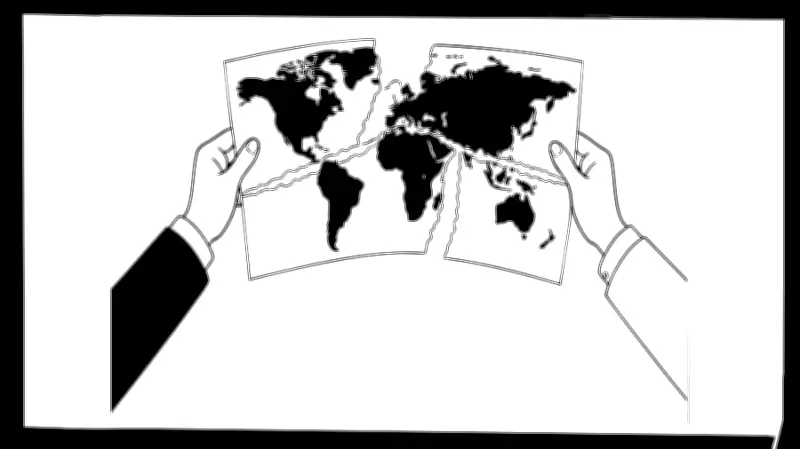
The Indispensable Role of the WTO in Today's Fractured World
In an era characterized by rising geopolitical tensions, protectionist policies, and economic fragmentation, the World Trade Organization (WTO) stands as a beacon of multilateralism and stability. As nations increasingly turn inward, the need for a robust global institution to oversee trade rules and resolve conflicts has never been more pressing. The WTO, established in 1995, provides a framework that promotes fair competition, reduces trade barriers, and fosters economic growth worldwide. Its role extends beyond mere regulation; it is a vital platform for dialogue and cooperation in a fractured world.
Addressing Global Trade Challenges and Disputes
The WTO's dispute settlement mechanism is one of its most critical functions, offering a legal pathway to resolve trade conflicts between member countries. Without this system, disputes could escalate into trade wars, harming economies and destabilizing international relations. For instance, recent tensions between major economies have highlighted how quickly trade spats can arise, underscoring the importance of having a neutral arbiter. The WTO ensures that trade rules are enforced consistently, preventing unilateral actions that could lead to retaliation and further fragmentation.
Moreover, the organization plays a key role in negotiating new trade agreements and updating existing rules to address modern challenges such as digital trade, environmental sustainability, and intellectual property rights. In a world where technology and global supply chains are rapidly evolving, the WTO's ability to adapt and innovate is essential for maintaining a level playing field. Its efforts to include developing nations in these discussions help promote inclusivity and reduce economic disparities.

Fostering Cooperation Amidst Geopolitical Tensions
As geopolitical rivalries intensify, the risk of economic decoupling and trade blocs increases, threatening global prosperity. The WTO serves as a forum where countries can engage in constructive dialogue, even amidst political disagreements. By focusing on shared economic interests, it helps bridge divides and prevent isolationist policies from taking hold. For example, during the COVID-19 pandemic, the WTO facilitated discussions on vaccine distribution and trade restrictions, demonstrating its capacity to address urgent global issues.
The organization's principles of non-discrimination and transparency are fundamental to preventing trade distortions and ensuring that smaller economies have a voice. In a fractured world, where power dynamics often overshadow fairness, the WTO's commitment to rules-based trade is a safeguard against exploitation. Its role in monitoring trade policies and providing data also enhances accountability, allowing countries to make informed decisions based on evidence rather than rhetoric.
Why the WTO Matters More Than Ever
In conclusion, the WTO is not just a bureaucratic entity; it is a cornerstone of global economic stability. As protectionism and nationalism gain traction, the organization's ability to uphold international trade norms becomes increasingly vital. Without it, the world risks descending into a chaotic patchwork of bilateral deals and tariffs, which could stifle growth and exacerbate inequalities. By promoting cooperation, resolving disputes, and adapting to new challenges, the WTO ensures that trade remains a force for peace and prosperity in an otherwise fractured landscape. Its relevance today is undeniable, and supporting its mission is crucial for a sustainable global future.