Venezuela, a nation sitting atop the planet's largest proven oil reserves, presents one of the modern energy world's most striking paradoxes. Despite its colossal resource wealth, estimated at over 300 billion barrels, the country plays a negligible role in the international oil supply chain. This stark contradiction between potential and reality is rooted in a complex web of internal policy failures, crippling international sanctions, and severe infrastructural decay, according to energy policy experts.
The Core of the Paradox: Abundance vs. Output
The numbers tell a confounding story. Venezuela's proven crude oil reserves stand at a staggering 303.8 billion barrels, as confirmed by the 2022 BP Statistical Review of World Energy. This figure dwarfs the reserves of oil giants like Saudi Arabia and Russia. However, its current production tells a截然不同的 tale. From a peak of nearly 3.5 million barrels per day two decades ago, output has plummeted to roughly 700,000 to 800,000 barrels per day in recent years. A significant portion of this meager production is consumed domestically or used for debt repayments to allies like China, leaving little for the global market.
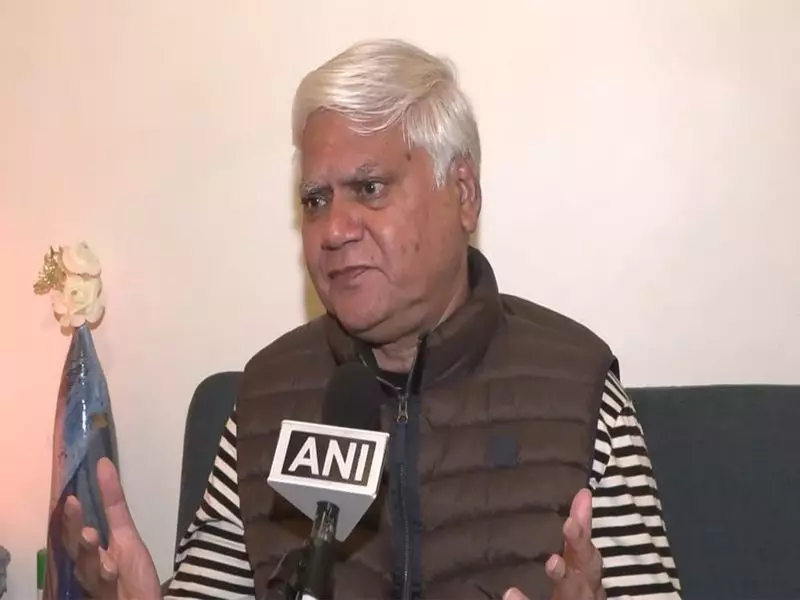
Energy policy expert Anchal Vohra, in a detailed analysis, pinpointed the primary causes of this decline. The downfall began with the policies of the late President Hugo Chavez, who in the early 2000s fired thousands of experienced technicians from the state-run oil company, Petroleos de Venezuela, S.A. (PDVSA), and replaced them with political loyalists. This decimated the company's technical and managerial expertise. Subsequent governments failed to reinvest profits into maintenance and new technology, leading to a catastrophic collapse in infrastructure.

The Stranglehold of Sanctions and Mismanagement
The situation deteriorated further with the imposition of harsh United States sanctions, first in 2017 and then in a more severe form in 2019. These sanctions effectively blocked Venezuela from accessing the US financial system and prohibited US companies from doing business with PDVSA. This cut off the country's primary cash market and made it extremely difficult to secure financing, insurance, and shipping for its oil exports. The sanctions, combined with years of corruption and mismanagement, rendered Venezuela's oil industry a shadow of its former self.
The decay is physical and evident. Key facilities, including the crucial upgraders that convert the heavy crude from the Orinoco Belt into exportable oil, have fallen into disrepair. Pipeline leaks, refinery outages, and a massive exodus of skilled workers have become the norm. The country, once a refining hub, now struggles to produce enough gasoline for its own population, leading to chronic fuel shortages.
Geopolitical Shifts and a Glimmer of Change?
The global energy crisis triggered by the Russia-Ukraine war prompted some recalculation. In late 2022, the US administration granted a limited six-month license to Chevron, allowing it to resume limited operations in Venezuela and import crude to the US. This was seen as a strategic move to potentially offset lost Russian supplies and encourage political dialogue in Venezuela. However, this license is narrow and has not led to a widespread revival of foreign investment or a major production turnaround.
The path to recovery for Venezuela's oil sector is steep. Experts agree that it would require billions of dollars in foreign investment and several years of intensive work to restore production even to a fraction of its former capacity. This investment is unlikely to materialize without a fundamental shift in the country's political and economic landscape and a permanent lifting of sanctions. The recent US decision to reimpose sanctions on Venezuela's oil and gas sector after the country's Supreme Court upheld a ban on the leading opposition candidate underscores the ongoing political instability that continues to deter investors.

For now, Venezuela remains a cautionary tale in the global energy arena. It demonstrates that possessing vast natural resources is no guarantee of economic power or influence. Without sound policy, competent management, and integration into the global financial system, even the largest reserves can remain trapped underground, leaving a nation rich in potential but poor in reality.