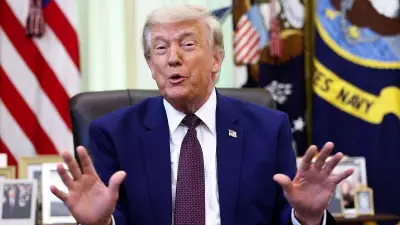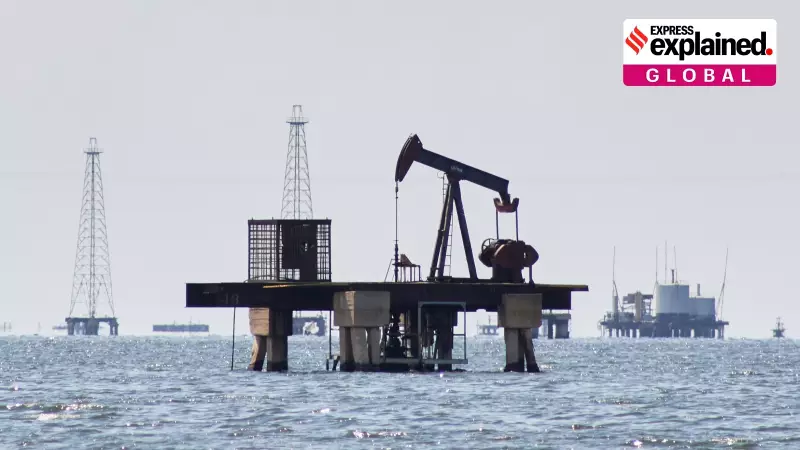
As US President Donald Trump convenes a crucial meeting with top American oil company executives to discuss potential investments in Venezuela's energy sector, a leading energy expert has poured cold water on the prospects of any immediate, major capital influx. According to the analysis, the multitude of uncertainties and risks facing foreign investors currently far outweigh the potential benefits, despite the country holding the world's largest proven oil reserves.
A Century of Troubled Ties: Oil at the Core
The relationship between the United States and Venezuela has been inextricably linked to oil for over a hundred years. American interests were responsible for the first major oil discoveries in Venezuela, and by the 1950s, the South American nation supplied up to 70% of all US oil imports. The US was also the largest investor in Venezuela's oil industry during that era.
However, the dynamic shifted dramatically when Venezuela helped found OPEC in 1960. This move eventually led to oil being wielded as an economic weapon against the West and the nationalization of foreign oil assets in the 1970s. The relationship has remained checkered since. While Western companies returned in the 1990s to boost falling production, the late President Hugo Chavez imposed harsh new terms on them and expropriated American assets in 2007.

The US has maintained sanctions on Venezuela for years. Notably, US oil giants Exxon and Conoco won international arbitration awards totaling over $10 billion against Venezuela, which remain unpaid. Meanwhile, China's role as an investor, oil consumer, and military supplier to Caracas has expanded significantly, a development watched closely by Washington.
Why US Companies Remain Reluctant to Invest
Despite President Trump's push for US firms to "step in" and produce Venezuela's oil, industry appetite for major new projects is tepid. Ajay Singh, a shipping executive and management advisor based in Tokyo, points to a confluence of deterrents.
First, the political landscape remains hostile and unpredictable, even after the extraction of President Nicolas Maduro. Venezuela's state oil company, PDVSA, is legally required to be involved in most developments, a condition seen as problematic given its history of political interference and crippled operational capacity. Oil production has plummeted to less than a third of its 2010 levels.
Second, the country's economic fundamentals are dire. Venezuela is saddled with external debt that is twice the size of its GDP. It survives on an oil-for-cash arrangement with China, which complicates new investment scenarios. Furthermore, current global oil prices do not justify high-risk investments, and worldwide trade disruptions have eroded confidence.
Third, there is a profound lack of trust in contractual stability. Even if a future Venezuelan government offered highly attractive terms to lure investors, the country's history of reversing agreements raises the specter that those terms may not be honored over the decade-long lifespan of a typical oil project.
Global Implications and a Possible Path Forward
Trump's actions are framed within a revived Monroe Doctrine, asserting US dominance in the Americas. This stance could create friction with European oil companies like Spain's Repsol, Shell, and BP, the latter two of which were negotiating to develop Venezuelan offshore gas fields. Major creditors and allies of Venezuela, Russia and China, are deeply upset with the US intervention and will resist any new economic arrangements that sideline their interests.
From an economic standpoint, Venezuela's way out requires a multi-pronged approach. The country desperately needs a restructuring of its massive foreign debt, backed by reliable oil exports. It also requires a domestic economic program that uses oil revenue to stabilize the economy, ideally with IMF involvement and a legitimate government to oversee it.

There is a precedent in post-2003 Iraq, which faced immense debt, low production, and institutional collapse. After initial deals were rejected, Iraq later tendered oilfield contracts to global companies on terms favorable to itself, leading to a tripling of oil production by 2015. The expert concludes that Venezuela possesses the agency to turn this crisis into an opportunity for a fresh start, but it hinges on achieving political stability and crafting credible, balanced deals for international partners.