

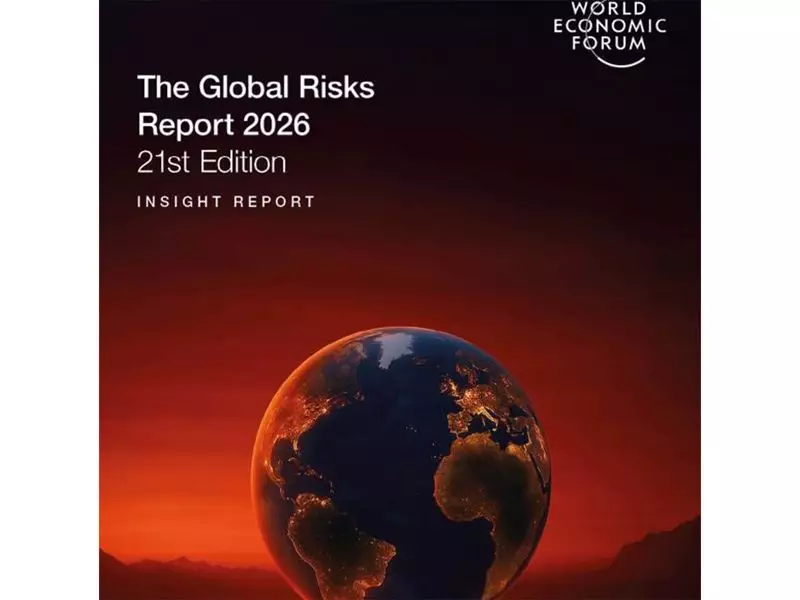
The World Economic Forum has released a new report that paints a concerning picture for the global economy. According to the findings, the world is entering an age of heightened competition. Geoeconomic tensions are expected to dominate the risk landscape in 2026.
Key Findings from the WEF Report
The report identifies several critical areas where risks are escalating. It warns that economic rivalries between nations could lead to significant disruptions. These tensions are not just about trade wars. They involve technology, resources, and strategic influence.
Rising Geoeconomic Tensions
Geoeconomic tensions refer to the use of economic tools for geopolitical goals. The WEF notes that such tactics are becoming more common. Countries are increasingly leveraging their economic power to gain advantages. This creates a volatile environment for global markets.

Businesses and governments must navigate these challenges carefully. The report suggests that unprepared nations could face severe economic consequences. Supply chains might be disrupted. Investment flows could become unpredictable.
The Age of Competition
The WEF describes the current era as an "age of competition." This means nations are competing more aggressively on multiple fronts. Economic policies are often designed to outpace rivals. Technological advancements are seen as battlegrounds for supremacy.
This competition drives innovation but also increases risks. It can lead to protectionist measures. Trade barriers might rise, affecting global commerce. The report urges stakeholders to foster cooperation where possible.
Implications for 2026 and Beyond
Looking ahead to 2026, the WEF outlook is cautious. The dominance of geoeconomic tensions suggests a shift in global dynamics. Traditional alliances may be tested. New economic blocs could emerge, reshaping international relations.
To mitigate these risks, the report recommends several actions:
- Enhance resilience: Build stronger economic systems that can withstand shocks.
- Promote dialogue: Encourage open discussions between nations to reduce misunderstandings.
- Invest in sustainability: Focus on long-term economic strategies that benefit all parties.
The WEF emphasizes that proactive measures are essential. Waiting until 2026 could be too late. Governments and businesses should start planning now. They need to adapt to this new competitive landscape.
Global Response and Preparedness
Many countries are already adjusting their policies. Some are investing in domestic industries to reduce dependencies. Others are forming new partnerships to counterbalance rivals. The WEF report serves as a wake-up call for those lagging behind.
In conclusion, the World Economic Forum's outlook for 2026 highlights urgent challenges. Geoeconomic tensions and competition are set to define the coming years. Stakeholders must act decisively to navigate these risks. The future of the global economy depends on it.






