Venezuela's Economic Hope Rises Under US Intervention, Democracy Remains Distant
In the wake of a U.S. military raid that ended the 13-year rule of autocrat Nicolás Maduro, Venezuelans are navigating a complex transition marked by emerging economic optimism but persistent political uncertainty. While the influx of American dollars has begun to ease hyperinflation and lower food prices, the democratic aspirations of many citizens appear deferred as Maduro's legacy endures under his vice president, Delcy Rodríguez.
A Transactional Peace with the United States
The Trump administration has initiated a significant economic intervention, selling $500 million of Venezuelan oil and channeling $300 million directly into Venezuelan banks. This move aims to bolster the country's currency, the bolivar, and combat hyperinflation that has plagued the nation for years. Early results show meat prices falling by nearly 60%, offering tangible relief to a population long accustomed to scarcity.
This strategy aligns with what President Trump's aides term the Trump Corollary to the Monroe Doctrine, asserting U.S. influence in the Western Hemisphere. For Venezuelans, it translates into a pragmatic exchange: improved daily living conditions in return for diminished political freedoms, echoing deals made by autocracies worldwide.

Rodríguez's Regime and Superficial Reforms
Delcy Rodríguez, Maduro's confidante and successor, maintains control with masked intelligence agents still manning checkpoints across Caracas, symbolizing the ongoing repression. Her administration has implemented policy reforms and oil-sector overhauls to revive an economy that contracted 70% since 2013, during which Rodríguez held key positions.
While she has freed over 200 political prisoners, calling it a new political moment, critics argue these are cosmetic changes. The opposition, both domestic and abroad, accuses her of delaying free and fair elections, with political analysts noting her ability to appease U.S. leadership while consolidating power long-term.
Mixed Reactions from Venezuelan Citizens
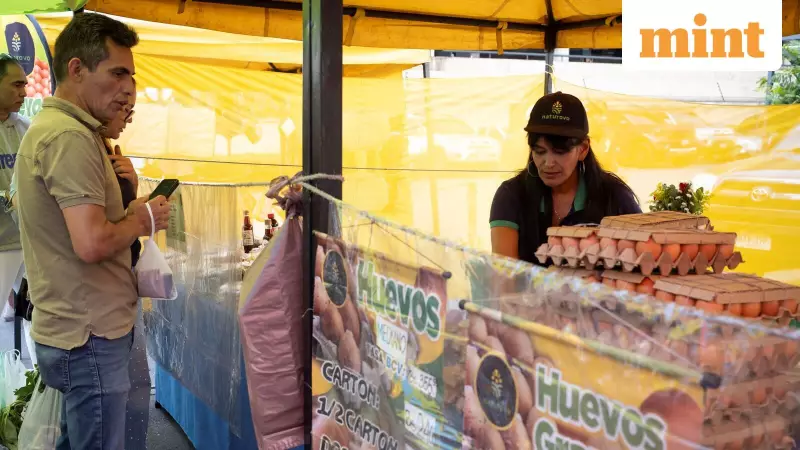
Among citizens, reactions are cautiously hopeful. Marisela Perez, a 31-year-old mother shopping in an east Caracas slum, expressed newfound optimism, stating, I would not have said this a month ago, but it actually feels like things could improve for a change. Similarly, Rafael Arteaga, a 69-year-old retiree, celebrated lower meat prices but remained concerned about infrastructure issues like erratic gas supply and poor roads.
Motorcycle courier Eduardo Flores encapsulated the prevailing sentiment, advising patience: We can’t get too excited yet. I keep telling my family: patience. This blend of hope and realism is echoed by Italo Atencio, president of a national supermarkets association, who noted substantial price drops on perishable goods and anticipated similar trends for staples like rice and cornmeal.
Legislative Changes and International Engagement
Venezuelan lawmakers are poised to approve legislation aimed at reducing red tape and loosening government control over the energy industry, part of efforts to attract foreign investment into the oil sector, which suffered under corruption and U.S. sanctions. Rodríguez has emphasized eliminating bureaucracy to stimulate the private sector and streamline arbitrary price controls.
Concurrently, U.S. diplomats are working to reopen the embassy in Caracas, closed since 2019, with American oil executives expected to explore investment opportunities. U.S. Energy Secretary Chris Wright plans a visit, signaling deepening engagement.
Economic Indicators and Currency Challenges
The economic reforms and U.S. rapprochement have spurred increases in real-estate prices and surges in Venezuela's defaulted government bonds and stock exchange shares, as investors bet on reintegration into the global economy. However, currency woes persist, with vendors of imported goods demanding hard-to-acquire U.S. dollars, and prices often denominated in foreign currencies.

The bolivar's dramatic decline from a symbol of stability in the 1960s to a subject of ridicule in popular culture underscores its fall. Recent U.S. dollar injections have improved its exchange rate, trading at about 450 bolivars per dollar on crypto exchanges, up from 800 weeks earlier, with the central bank's official rate at 360.
Future Prospects and Democratic Hopes
Despite economic gains, concerns linger about Rodríguez's ability to control armed forces and paramilitary gangs. Rafael Arteaga voiced hopes for democratic elections by July and the return of opposition leader Maria Corina Machado from exile, suggesting, Whatever happens, I think it’ll be a woman who will be our next leader. It’s what the country needs.
As Venezuela balances between economic recovery and political stagnation, the path forward remains fraught with challenges, highlighting a nation at a crossroads between external intervention and internal aspirations.