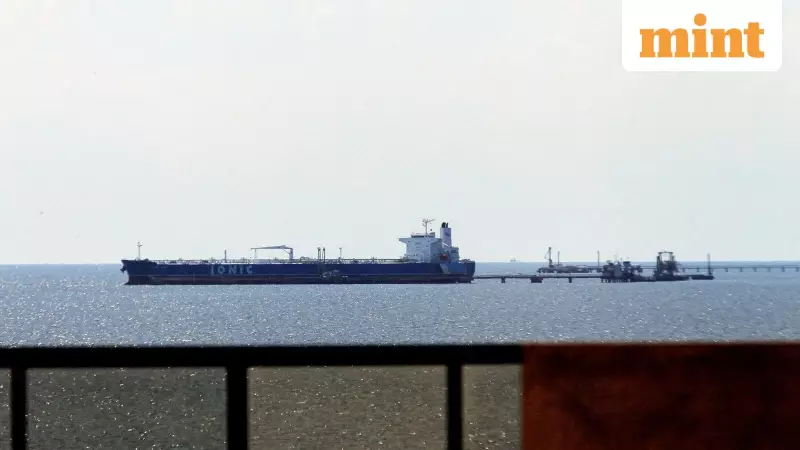
In a dramatic escalation of pressure on the regime of Nicolás Maduro, former US President Donald Trump has ordered a complete naval blockade targeting all sanctioned oil tankers bound for and departing from Venezuela. This move, announced on Tuesday, has effectively paralyzed the Latin American nation's crucial oil traffic, except for one notable exception: the American energy giant Chevron.
The Blockade's Chilling Effect on Venezuela's Shadow Fleet
The action follows last week's seizure by US forces of the sanctioned supertanker Skipper, allegedly carrying Venezuelan crude to the black market. The threat of further seizures has sent shockwaves through the network of so-called "dark fleet" vessels that usually bustle around Venezuelan ports, ferrying oil primarily to China and Cuba.
Vessel-tracking data reveals the immediate impact. Several tankers are now idling at ports like José and Amuay, while others have abruptly changed course to avoid the region altogether. In the past four to five days, five inbound ships turned around, including one carrying Russian naphtha—a vital diluent for Venezuela's heavy oil—that reversed in the Indian Ocean.

This disruption strikes at the heart of the Maduro government's finances. Crude sales have long represented over 90% of Venezuela's export income. Between September 1 and December 15, the country exported nearly 800,000 barrels per day, with about 81% destined for China. Analysts warn that prolonged stalling of this traffic could sever a major revenue stream for Maduro, who the US accuses of leading a drug-trafficking cartel.
Chevron: The Unaffected Exception in a Sea of Sanctions
Amidst this turmoil, Chevron's operations continue unimpeded. The day after the Skipper was captured, two vessels carrying crude for Chevron departed from Venezuela's Bajo Grande port, both bound for the United States. A company spokesman confirmed its operations continue without disruption and in compliance with the law, calling its presence a "stabilizing force" for Venezuela's economy.
Chevron's resilience stems from a special license granted by the US government, essentially an exception to the broad sanctions prohibiting trade in Venezuelan oil. The license, revived in late 2022, allows Chevron and its joint ventures in the oil-rich Orinoco Belt to pump about 300,000 barrels per day—roughly one-third of Venezuela's total output. Under the license's strict terms, Chevron cannot pay taxes or royalties to Maduro's government with its sales revenue.
"They've stuck with the Venezuelan market through thick and thin," said Clay Seigel, a senior fellow at the Center for Strategic and International Studies. "Chevron, in a way, is punching above its weight in terms of contributing to the future of Venezuela." The company has maintained a presence in the country for over a century.
Regime Survival and the Stakes of an Oil Stranglehold
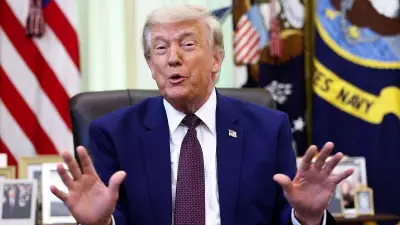
The US administration has signaled more ship seizures are planned, part of a massive military buildup in the Caribbean aimed at forcing Maduro from power. Trump declared on social media that Venezuela is "completely surrounded" and that Maduro's "days are numbered." Maduro, in turn, has condemned the tanker seizure as an act of "naval piracy."
Some analysts believe a successful oil blockade could be fatal for the regime. "If you've already cut the narco revenue and then you get rid of the oil, we're talking about the final collapse," said Evanan Romero, a Houston-based energy consultant and former Venezuelan deputy oil minister. "If you're capturing ships, then these guys have days left."
However, Maduro's government has survived extreme pressure before, including the collapse of oil output during the COVID-19 pandemic. Francisco Monaldi, director of the Latin America energy program at Rice University's Baker Institute, noted, "This is not the worst pressure Maduro has faced—at least not yet." The coming days will test whether this unprecedented naval blockade can achieve what years of sanctions have not.