The United States is drawing heavily from its emergency oil reserves as the ongoing conflict with Iran continues to disrupt global energy supplies. Since the outbreak of hostilities, the US Strategic Petroleum Reserve (SPR) has lost approximately 50 million barrels, as the Trump administration attempts to mitigate supply shortages and alleviate rising fuel prices. These withdrawals are driving the country's emergency oil stockpile toward its lowest levels since the 1980s.
Contrast with Previous Administration
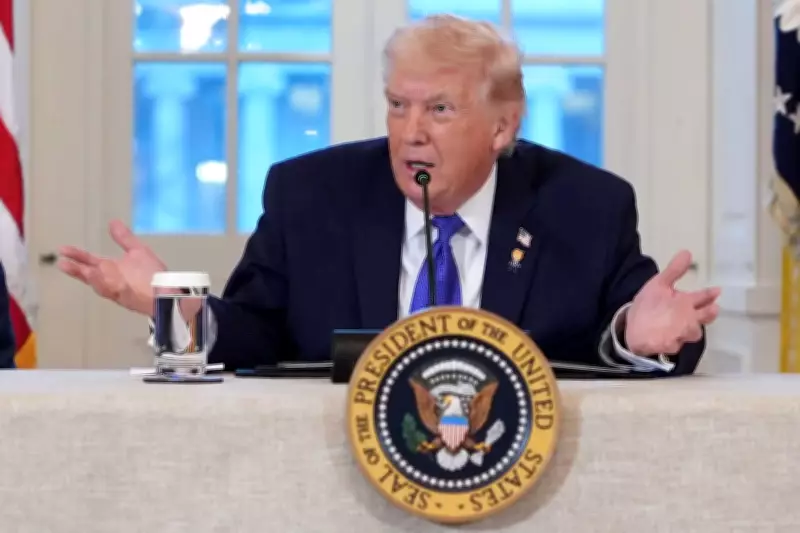
The current releases stand in stark contrast to President Trump's earlier criticism of former President Joe Biden's use of the SPR. During his presidential campaign launch at Mar-a-Lago, Trump accused Biden of depleting emergency oil supplies to keep fuel prices low before elections, stating, "The strategic national reserves, which I filled up, have been virtually drained in order to keep gasoline prices lower, just prior to the election." Now, with motorists facing rising fuel costs and political pressure mounting ahead of the midterms, the US is releasing oil from the SPR at a record-breaking pace.
Impact of the Middle East Conflict
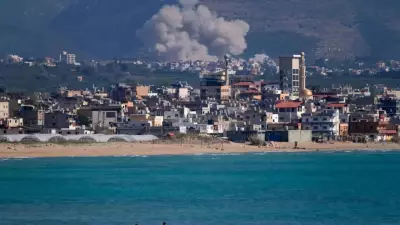
The Middle East conflict began on February 28, following joint US-Israel strikes on Iran. In response, Tehran tightened its grip on the crucial Strait of Hormuz, disrupting more than 1.2 billion barrels of crude supplies, according to S&P Global Energy. The disruption in the world's oil pipeline has left countries across Europe and Asia scrambling for alternative supplies, with US crude emerging as a major replacement source.

Emergency Reserve Details
The emergency reserve, stored in underground salt caverns in Texas and Louisiana, was established to provide a buffer during major energy supply disruptions. Federal data shows that 9.1 million barrels were released from the SPR last week alone, just below the all-time weekly record set a week earlier. Since the conflict began, the reserve has shrunk by about 50 million barrels, leaving 365 million barrels in storage, according to the US Energy Information Administration. This level is approaching the lowest seen in decades, following years of significant withdrawals. After Russia's invasion of Ukraine in 2022, the Biden administration also drew from the reserve, contributing to a decline from roughly 638 million barrels in early 2021 to 347 million barrels by mid-2023.
Export Dynamics
The current releases are not solely for domestic use. According to estimates from Kpler, about half of the crude released during April and May was exported overseas. This has raised concerns about the long-term implications of depleting emergency reserves.
Analyst Concerns
Analysts warn that the depletion of emergency reserves carries longer-term consequences, as every barrel withdrawn today will eventually need to be replaced. "The US is basically the supplier of last resort. The rest of the world needs that crude," said Matt Smith, lead oil analyst at Kpler. "This isn't like a cookie jar. Those barrels have got to be put back at some point, and that will lead to higher prices."
Commercial Stockpile Decline
Concerns are not limited to emergency reserves. Commercial stockpiles are also declining, particularly at Cushing, Oklahoma, the key storage hub for West Texas Intermediate crude pricing. Kpler estimates that inventories at Cushing have fallen from about 33 million barrels seven weeks ago to around 24.5 million barrels. According to Smith, levels near 20 million barrels are considered "operationally low." "You can't draw them down to zero because there is gunk at the bottom of the tanks. You need a certain volume to keep them operational," he explained.
Policy Considerations
The rapid decline in US inventories has sparked discussions about whether Washington might curb crude exports to preserve domestic supplies. Analysts suggest such measures could help ease fuel prices at home but may cause wider disruption in global energy markets. The White House has indicated that export restrictions are not under consideration. Instead, Smith believes market conditions could naturally slow overseas shipments as shrinking inventories reduce the price advantage of US crude. "But when the music stops and the US is no longer supplying barrels to the market," Smith said, "where will other countries go for crude?"

Ongoing Conflict and Price Impact
The conflict, which began in late February, has continued to escalate despite ongoing negotiations. Disruptions in the Strait of Hormuz, a key route handling about 20% of the world's energy supplies, have left countries scrambling to secure fuel. The supply shock has pushed crude oil prices from around $70 a barrel to above $100 a barrel.