

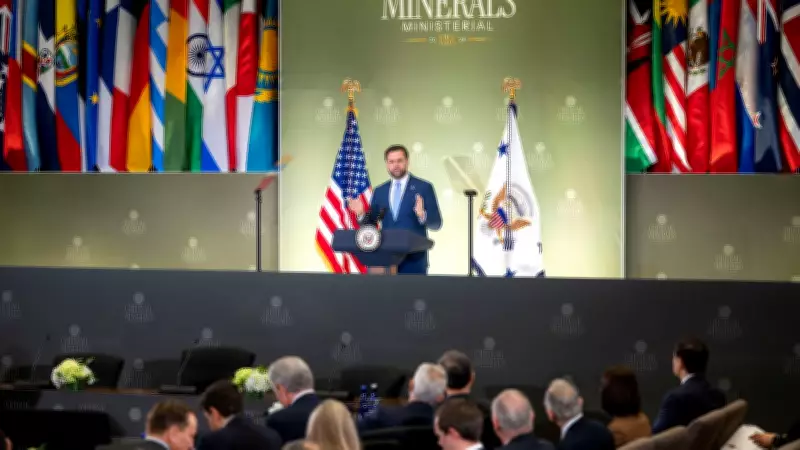
US Forges Strategic Minerals Alliance to Counter China's Global Dominance
In a significant move to reshape global supply chains, the United States is actively working to establish a critical minerals trading bloc with its close allies. This initiative aims to directly challenge China's overwhelming dominance in the production and processing of essential minerals that are vital for modern technologies, including renewable energy systems, electric vehicles, and advanced defense equipment.
Addressing Strategic Vulnerabilities in Global Supply Chains
The proposed trading bloc represents a strategic response to growing concerns over the concentration of critical mineral resources and processing capabilities within China. By fostering closer cooperation among allied nations, the US seeks to create a more resilient and diversified supply network. This effort is particularly focused on minerals such as lithium, cobalt, rare earth elements, and nickel, which are indispensable for the global transition to clean energy and the maintenance of technological superiority.
Key objectives of this alliance include:

- Reducing collective dependence on Chinese-controlled supply chains for critical minerals.
- Enhancing the security and stability of mineral supplies for national defense and economic sectors.
- Promoting sustainable and ethical mining practices among member countries.
- Accelerating the development of alternative sources and processing facilities outside of China.
Strengthening Economic and Security Partnerships
This initiative underscores the Biden administration's broader strategy to strengthen economic and security ties with allies while countering China's influence in key industrial sectors. The trading bloc is expected to involve countries with significant mineral resources or advanced processing technologies, such as Australia, Canada, Japan, and select European nations. By aligning their policies and investments, these partners aim to create a competitive alternative to China's established mineral ecosystem.
The formation of this bloc reflects a growing recognition among Western nations that securing access to critical minerals is not merely an economic issue but a fundamental aspect of national security and geopolitical strategy.
Implications for the Global Green Energy Transition
The success of this alliance could have profound implications for the worldwide shift toward renewable energy and electrification. A reliable and diversified supply of critical minerals is essential for manufacturing batteries, wind turbines, solar panels, and other green technologies. By mitigating supply chain risks, the US and its allies hope to ensure that the clean energy transition proceeds without being hampered by geopolitical tensions or market manipulations.
As discussions progress, the international community will be closely monitoring the development of this trading bloc, which could redefine global trade dynamics in the critical minerals sector and influence the balance of power in the emerging green economy.






