US Grants Extension to Serbia's Sanctioned Oil Company
The United States has officially extended a temporary operating license for Serbia's state-owned oil company, Naftna Industrija Srbije (NIS), which remains under American sanctions. This development was confirmed by Serbia's Energy Minister, Dubravka Djedovic Handanovic, on Friday, as ongoing negotiations aim to facilitate the complete exit of Russian majority shareholders from the firm.
License Extension Provides Operational Relief
According to Minister Handanovic, the Office of Foreign Assets Control (OFAC) has now prolonged the license until February 20. This extension grants NIS nearly an additional month to continue its operations without disruption. "We have secured almost an additional month for NIS to continue operating, to be supplied via the Adriatic Oil Pipeline, JANAF, and for crude to continue arriving in Serbia," Handanovic stated in an interview with local television channel Pink.
The initial temporary reprieve, which allowed production to restart earlier this month after a months-long shutdown, was originally set to expire at midnight. The shutdown had been enforced due to Washington's sanctions on NIS, part of a broader crackdown on Russia's energy sector following the invasion of Ukraine.

Negotiations for Russian Exit Continue
A critical deadline of March 24 remains in place for negotiations concerning the full exit of Gazprom's interests in NIS. In a significant move earlier this week, Hungarian energy giant MOL agreed to basic terms with the Russian firm, signaling progress in the talks. This potential acquisition could reshape the energy landscape in the region.
If MOL proceeds with the acquisition, the combined network would exceed 380 petrol stations, as NIS currently operates around 330 stations nationwide—approximately one in five in Serbia. This expansion would significantly bolster MOL's presence in the Balkan market.
Impact of Sanctions on Serbia
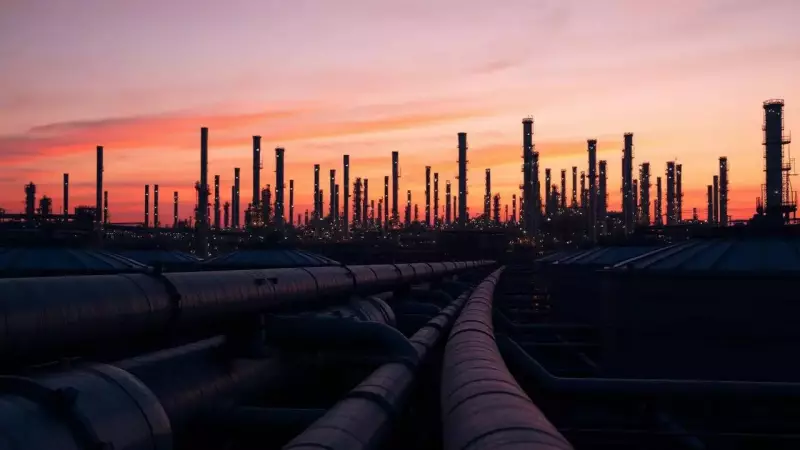
The imposition of sanctions on NIS by Washington on October 9 has had a profound impact on Serbia, a close ally of the Kremlin and one of the few European states that has not sanctioned Russia over the war in Ukraine. The sanctions forced a shutdown of Serbia's only oil refinery, disrupting supply chains and economic stability.
NIS is a major economic player in Serbia, employing about 13,500 people and contributing over two billion euros in tax revenue in 2024, which accounts for nearly 12 percent of the national budget. The company's operations extend beyond Serbia, with activities in Bosnia, Romania, Bulgaria, and Angola.
Ownership Structure and Future Plans
The ownership of NIS is complex and heavily influenced by international relations. In 2008, Serbia sold a majority stake in NIS to Gazprom for 400 million euros, with several billion euros invested since. Currently, Gazprom Neft owns 45 percent of NIS and is under US sanctions, while Gazparent transferred its 11.3 percent stake in September to its affiliated firm, Intelligence.
The Serbian state retains nearly 30 percent ownership, with the remainder held by minority shareholders. Serbian officials have indicated plans to increase the state's stake by 5 percent following a sale, aiming to regain greater control over this strategic asset.
Potential New Partnerships
In related developments, MOL has confirmed that it is in discussions with ADNOC, the national oil company of the United Arab Emirates, to join as a minority shareholder in the potential acquisition. This move could bring additional investment and expertise to the table, further diversifying the ownership structure and reducing reliance on Russian interests.
The extension of the operating license provides a crucial window for Serbia to navigate these complex negotiations, ensuring energy security and economic stability while aligning with international sanctions regimes. The outcome of these talks will be closely watched by stakeholders across Europe and beyond.