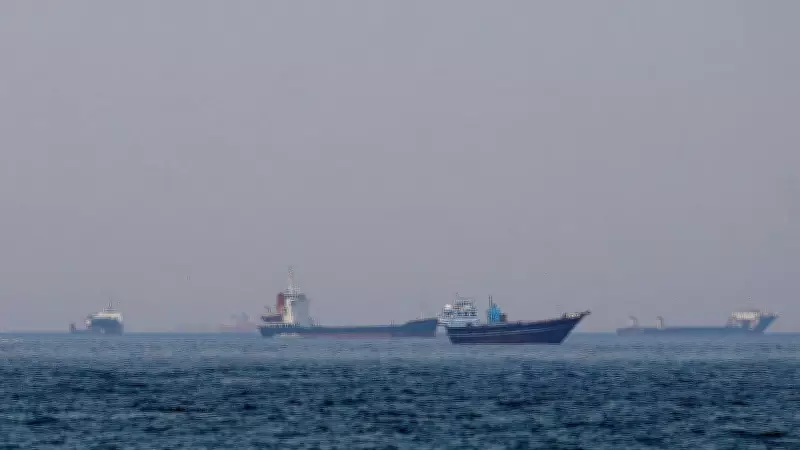
The world faces an uncertain future as the Strait of Hormuz prepares to reopen, according to Fatih Birol of the International Energy Agency (IEA). Birol, who orchestrated a multinational release of oil reserves, detailed the risks facing the economy now and beyond.
Global Economic Risks
Birol emphasized that the reopening of the strait, a critical chokepoint for global oil supplies, comes amid heightened geopolitical tensions and market volatility. He warned that while the immediate crisis may ease, long-term stability remains fragile.
Energy Market Implications
The IEA coordinated the release of strategic oil reserves to stabilize markets during the closure. Birol noted that such measures are temporary and cannot replace sustainable energy policies. He urged nations to diversify energy sources and invest in renewables to reduce dependency on volatile regions.

- Increased oil price fluctuations expected post-reopening
- Potential for supply chain disruptions
- Need for international cooperation on energy security
Future Outlook
Birol called for a comprehensive approach to energy transition, emphasizing that the Strait of Hormuz situation is a stark reminder of the vulnerabilities in the global energy system. He stressed the importance of dialogue and multilateralism to navigate the uncertain path ahead.
The article originally appeared in the International New York Times on 14 May 2026.