

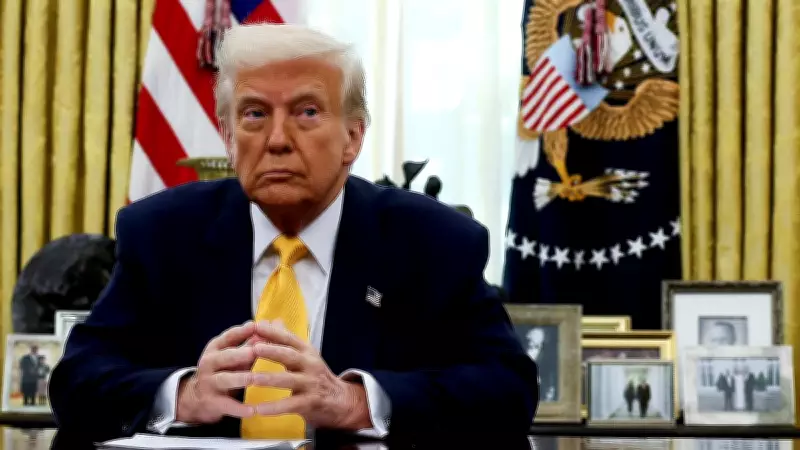
Major Developments in Trump's Trade War: A Global Economic Shift
In a significant escalation of economic policies, former President Donald Trump's trade war has seen major developments, with new tariffs imposed on various imports, particularly targeting China. These actions have sparked widespread concern among international trade partners and are reshaping global economic dynamics.
New Tariff Impositions and Their Immediate Effects
The latest round of tariffs, announced recently, focuses on goods such as electronics, steel, and agricultural products. This move is part of a broader strategy to address trade imbalances and protect domestic industries. Economists warn that these tariffs could lead to increased consumer prices and supply chain disruptions, affecting businesses and consumers alike.
In response, several countries have threatened retaliatory measures, heightening diplomatic tensions. For instance, China has hinted at imposing its own tariffs on American goods, which could further strain US-China relations. The global market has reacted with volatility, with stock indices experiencing fluctuations as investors assess the potential long-term impacts.

Impact on Global Trade and Economy
The trade war's developments are not limited to bilateral issues; they have ripple effects across the world economy. Key points include:
- Increased Costs: Importers and exporters face higher costs due to tariffs, which may be passed on to end consumers.
- Supply Chain Disruptions: Companies relying on global supply chains are reevaluating their strategies to mitigate risks.
- Diplomatic Strains: Trade negotiations have become more complex, with countries seeking alliances to counter US policies.
Experts suggest that these developments could lead to a slowdown in global economic growth, as trade barriers reduce efficiency and increase uncertainty. The International Monetary Fund has expressed concerns about the potential for a broader economic downturn if tensions escalate further.
Future Outlook and Potential Resolutions
Looking ahead, the trade war's trajectory remains uncertain. Possible scenarios include:
- Negotiated Settlements: Diplomatic talks could lead to reduced tariffs and trade agreements.
- Continued Escalation: If no resolution is reached, more tariffs and countermeasures may be implemented.
- Global Repercussions: Other nations might adopt similar protectionist policies, leading to a fragmented global trade system.
In conclusion, the major developments in Trump's trade war highlight the interconnected nature of modern economies. Stakeholders are advised to monitor these changes closely, as they will likely influence international trade policies and economic stability in the coming years.






