Trump's Davos Comeback: Analyzing Global Economic Dynamics and India's Role
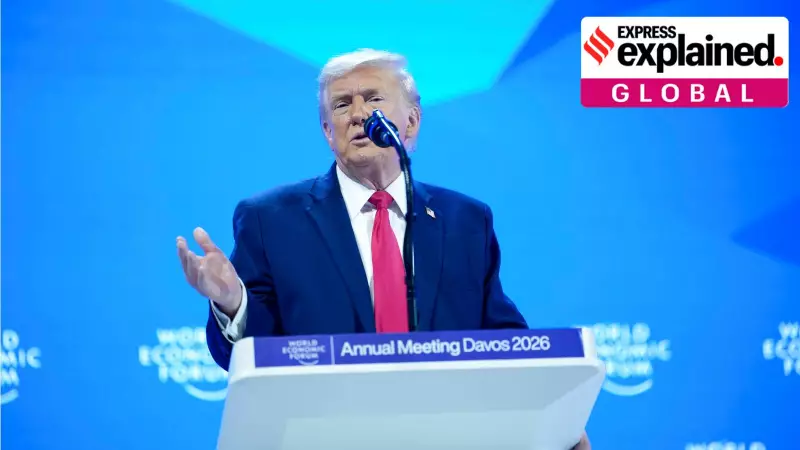
Former US President Donald Trump made a notable return to the World Economic Forum in Davos, Switzerland, sparking widespread discussion among global leaders and economic analysts. His presence at this prestigious gathering underscored the ongoing shifts in international economic policies and geopolitical strategies. For India, a key player in the global arena, Trump's remarks and the broader forum discussions hold significant implications, particularly in areas such as trade, investment, and diplomatic relations.
Key Takeaways from Trump's Davos Address
During his speech, Trump emphasized several critical points that are likely to influence global economic trends in the coming years. He reiterated his focus on America-first policies, advocating for trade deals that prioritize domestic industries and job creation. This stance, while aimed at bolstering the US economy, could impact international trade dynamics, including India's export and import strategies. Trump also touched on technological innovation and cybersecurity, highlighting the need for nations to adapt to rapid digital transformations while safeguarding their economic interests.
Moreover, Trump's comments on geopolitical alliances and climate change policies drew attention, as they signal potential realignments in global cooperation. For India, which has been actively engaging in multilateral forums and climate initiatives, these developments could shape future collaborations and negotiations on issues like sustainable development and renewable energy investments.

Implications for India's Economic and Strategic Interests
India, as a rising economic power, must navigate the evolving landscape highlighted at Davos. Trump's emphasis on bilateral trade agreements over multilateral frameworks may prompt India to reassess its trade partnerships, particularly with the United States. The potential for increased tariffs or trade barriers could affect key Indian sectors such as information technology, pharmaceuticals, and textiles, necessitating strategic adjustments to maintain competitiveness.
Additionally, the forum's discussions on global supply chains and digital economies offer opportunities for India to leverage its strengths in technology and manufacturing. By focusing on innovation and infrastructure development, India can position itself as a hub for global investments, especially in emerging fields like artificial intelligence and green energy. The emphasis on cybersecurity at Davos also aligns with India's ongoing efforts to enhance digital security frameworks, which are crucial for protecting economic data and fostering trust in digital transactions.
Broader Global Trends and India's Response
Beyond Trump's specific remarks, the World Economic Forum in Davos highlighted broader trends that India must consider. These include:
- Economic Protectionism: A growing trend among major economies to prioritize domestic interests, which could lead to trade disputes and require India to diversify its export markets.
- Technological Disruption: Rapid advancements in AI and automation, urging India to invest in skill development and innovation to stay ahead in the global economy.
- Climate Action: Increased focus on sustainable practices, offering India chances to lead in renewable energy projects and attract green investments.
- Geopolitical Shifts: Changing alliances and power dynamics, necessitating agile diplomatic strategies to safeguard India's interests in regions like Asia and beyond.
In response, India can adopt a proactive approach by strengthening its economic policies, enhancing bilateral ties, and participating actively in global forums to voice its perspectives. The insights from Davos serve as a reminder for India to balance domestic growth with international engagement, ensuring it remains a key player in shaping the future global order.