

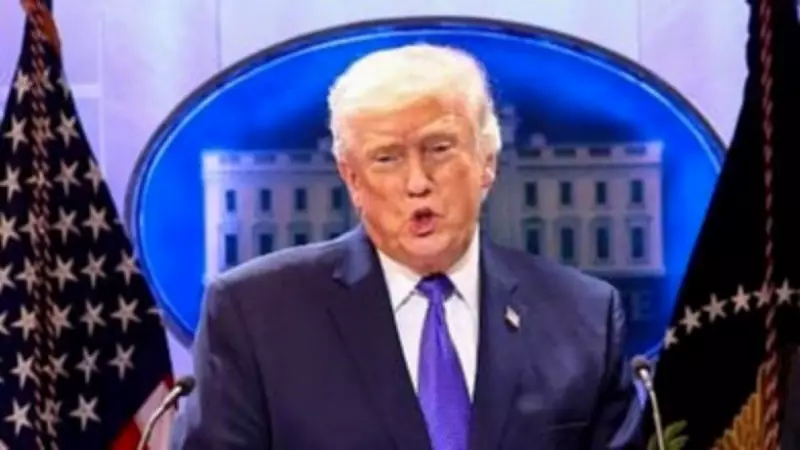
Trump Pledges to Escalate Tariff Strategy After Legal Decision
In a significant development that could reshape international trade relations, former United States President Donald Trump has declared his intention to pursue an even more aggressive tariff policy. This announcement comes in the wake of a recent court ruling that has provided a legal framework for such economic measures. Trump's vow to go in an "even stronger direction" on tariffs underscores his continued influence on global economic discourse and signals potential upheavals in trade practices if he returns to power.
Court Ruling Paves Way for Tariff Escalation
The backdrop to Trump's statement is a judicial decision that has validated certain aspects of his previous tariff implementations. This ruling, delivered by a federal court, has been interpreted by Trump and his allies as a green light to expand and intensify tariff-based trade policies. The former president emphasized that the legal outcome reinforces his belief in using tariffs as a tool for economic nationalism and protecting American industries from foreign competition.
Trump articulated his position clearly, stating that the ruling allows for a more robust approach to trade negotiations. He argued that tariffs are essential for correcting trade imbalances and ensuring fair competition, themes that were central to his presidency from 2017 to 2021. This renewed focus on tariffs highlights his ongoing commitment to an "America First" economic agenda, which often involved imposing duties on imports from countries like China and the European Union.

Implications for Global Trade and Economy
The prospect of stronger tariffs under a potential future Trump administration has sent ripples through global markets and diplomatic circles. Economists warn that escalated tariffs could lead to increased costs for consumers, trade wars, and disruptions in supply chains, potentially slowing economic growth worldwide. Key trading partners, including nations in Asia and Europe, are closely monitoring these developments, as they could face higher barriers to exporting goods to the United States.
This move is seen as part of Trump's broader strategy to leverage economic pressure in international relations. By vowing to intensify tariffs, he aims to strengthen the U.S. negotiating position in trade deals and address what he perceives as unfair practices by other countries. The announcement has sparked debates among policymakers about the long-term effects of protectionist policies on global stability and cooperation.
Political and Economic Reactions
Reactions to Trump's tariff vow have been mixed, reflecting the polarized nature of trade policy in the United States. Supporters applaud his stance as a necessary step to revive domestic manufacturing and reduce reliance on foreign imports. They argue that stronger tariffs can create jobs and boost national security by reducing economic dependencies.
Critics, however, express concern that such policies could trigger retaliatory measures from other nations, leading to a cycle of trade restrictions that harm all parties involved. They point to previous tariff escalations during Trump's presidency, which resulted in increased prices for American consumers and strained international alliances. The court ruling has thus become a focal point in the ongoing debate over the role of tariffs in modern economics.
As the 2024 presidential election approaches, Trump's tariff promises are likely to remain a key issue, influencing voter sentiment and shaping discussions on America's place in the global economy. His commitment to an "even stronger direction" suggests that trade policy will continue to be a contentious and impactful area of focus in the years to come.






