Ramadan Price Hike in Pakistan Reveals Deep Policy Paralysis
A significant surge in the prices of essential commodities during the holy month of Ramadan has starkly exposed a state of policy paralysis within the Pakistani government. This inflationary crisis is severely impacting citizens, particularly in the bustling metropolis of Karachi, where residents are vocally demanding immediate and effective government intervention to stabilize the market and ensure food security.
Karachi Residents Voice Frustration Over Soaring Costs
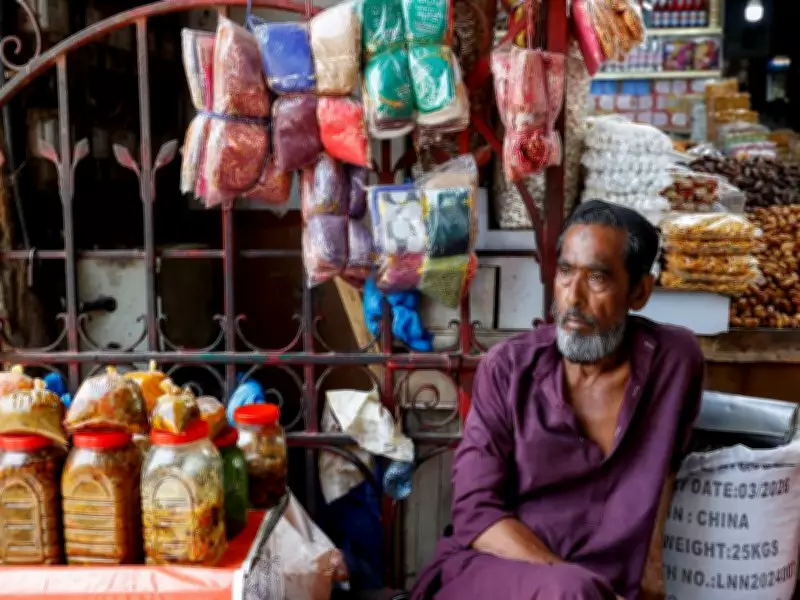
In Karachi, Pakistan's largest city and economic hub, the Ramadan period has been marred by an alarming escalation in the cost of basic food items. Staples such as flour, sugar, cooking oil, pulses, and dates—crucial for daily meals and Iftar gatherings—have seen their prices skyrocket, placing an immense burden on household budgets. Local markets and vendors report widespread discontent, with many families struggling to afford traditional Ramadan necessities. This situation has sparked public protests and calls for accountability, highlighting a growing disconnect between government assurances and the harsh economic realities faced by the populace.
Government Inaction and Systemic Policy Failures
The persistent price surge is widely attributed to a profound policy paralysis at both federal and provincial levels. Analysts point to several systemic failures, including inadequate market regulation, poor supply chain management, and a lack of effective price control mechanisms. Despite previous promises to curb inflation and support vulnerable communities during Ramadan, government actions have been perceived as insufficient and reactive. This paralysis is further compounded by broader economic challenges, such as currency devaluation and rising import costs, which exacerbate the inflationary pressures on essential goods.

Broader Implications for Food Security and Social Stability
The ongoing crisis extends beyond immediate financial strain, raising serious concerns about long-term food security and social stability in Pakistan. The inability to control prices during Ramadan, a period of heightened consumption and charitable giving, undermines public trust in governance and risks deepening socio-economic inequalities. Experts warn that without decisive policy reforms, including enhanced market monitoring, strategic reserves management, and targeted subsidies, such price surges could become a recurring issue, further eroding living standards and potentially fueling social unrest.
As Karachi residents continue to demand tangible government action, the Ramadan price surge serves as a critical reminder of the urgent need for coherent economic policies and responsive governance to address the everyday challenges faced by millions of Pakistanis.