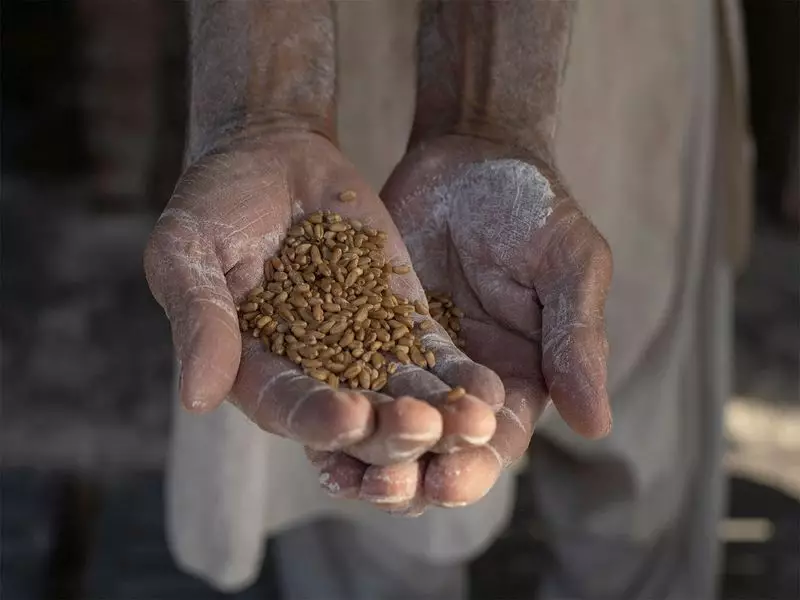
A deepening crisis surrounding the availability of flour has gripped Pakistan, with allegations of widespread corruption crippling the nation's wheat supply chain. This severe shortage has sent prices of the essential staple skyrocketing, placing an immense burden on ordinary citizens and triggering significant public anger.
The Root of the Crisis: A Corrupted Supply System
The heart of the problem lies in the mismanagement and alleged graft within the system responsible for procuring and distributing wheat. According to reports, corrupt practices have led to a deliberate halt in the supply of wheat to flour mills across the country. This artificial scarcity, created by those controlling the stocks, is a primary driver behind the exorbitant prices consumers are now forced to pay.
Prime Minister Shehbaz Sharif has taken direct notice of the situation, acknowledging the severe hardship faced by the public. He has issued strict directives to relevant authorities, including the Chief Secretaries of all provinces, to take immediate and decisive action. The Prime Minister's intervention underscores the gravity of the flour crisis, which threatens both food security and social stability.

Soaring Prices and Public Outcry
The direct consequence of the supply blockage is a dramatic surge in the market price of flour. In many regions, the cost has become prohibitive for average families, turning a basic necessity into a luxury. This price hike has a cascading effect on the entire economy, impacting the cost of other food items and essential goods.
The public frustration is palpable and has spilled onto the streets. Citizens are protesting against the government's failure to ensure the availability of affordable flour. The sentiment on the ground reflects a deep-seated anger towards a system perceived as being manipulated by a corrupt few at the expense of the many. The crisis has become a major political challenge for the administration, testing its ability to govern effectively.
Government's Response and the Road Ahead
In response to the escalating crisis, the government has announced a crackdown on hoarders and those involved in the corrupt wheat supply network. Authorities have been ordered to ensure the immediate release of wheat stocks to flour mills to normalize production and bring prices down. The success of these measures, however, hinges on their effective and transparent implementation.
The situation remains fluid, with the nation watching closely to see if the government can dismantle the entrenched corrupt practices and restore the flow of this critical commodity. The flour crisis is more than just a food shortage; it is a stark indicator of systemic governance failures. Resolving it will require not just short-term fixes but a sustained effort to reform the agricultural procurement and distribution systems to prevent such crises in the future.
For now, long queues at flour distribution points and empty shelves in many stores paint a grim picture of the daily struggle for millions of Pakistanis. The resolution of this crisis will be a key test of the government's commitment to its people.