Oil Markets in Turmoil as Supply Crisis Deepens
Global crude oil prices have experienced a dramatic spike, driven by a crippling halt in Saudi Arabian production and the continued blockade of the critical Strait of Hormuz. This dual crisis has sent shockwaves through international energy markets, exacerbating supply concerns and fueling economic uncertainty worldwide.
Saudi Production Grinds to a Halt
Saudi Arabia, one of the world's largest oil producers, has faced a severe production disruption that has effectively paralyzed its output capabilities. The exact cause of this crippling event remains under investigation, but initial reports suggest it involves significant infrastructure failures or security incidents. This sudden stop has removed millions of barrels per day from the global supply chain, creating an immediate and substantial deficit.
Strait of Hormuz Blockade Intensifies Pressure
Compounding the supply shortage is the ongoing blockade of the Strait of Hormuz, a vital maritime chokepoint through which approximately one-fifth of the world's oil passes. The blockade, which has persisted for several days, is severely restricting the flow of oil tankers, further tightening available supplies and driving prices upward. Analysts warn that this situation could lead to prolonged market volatility and increased geopolitical tensions in the region.

Ceasefire Agreement Offers Limited Relief
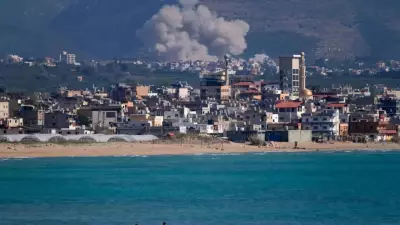
In a related development, Iran and the United States agreed on Tuesday to a two-week ceasefire, brokered by Pakistan. This diplomatic effort aimed to de-escalate hostilities that have contributed to regional instability. However, despite the announcement, reports indicate that fighting continued in some areas, casting doubt on the immediate effectiveness of the ceasefire and its ability to stabilize the oil market.
Market Reactions and Future Outlook
The combined impact of the Saudi production halt and the Hormuz blockade has led to a sharp increase in benchmark oil prices, with Brent crude and West Texas Intermediate both surging by significant percentages. Energy experts predict that prices could remain elevated until production is restored and the blockade is lifted. The situation underscores the fragility of global oil supply chains and the profound influence of Middle Eastern geopolitics on world economies.
As of the latest updates on 10 April 2026, stakeholders are closely monitoring developments, with hopes that the ceasefire will hold and facilitate a resolution to the broader crisis. The international community is urging all parties to prioritize diplomatic solutions to prevent further economic disruption.